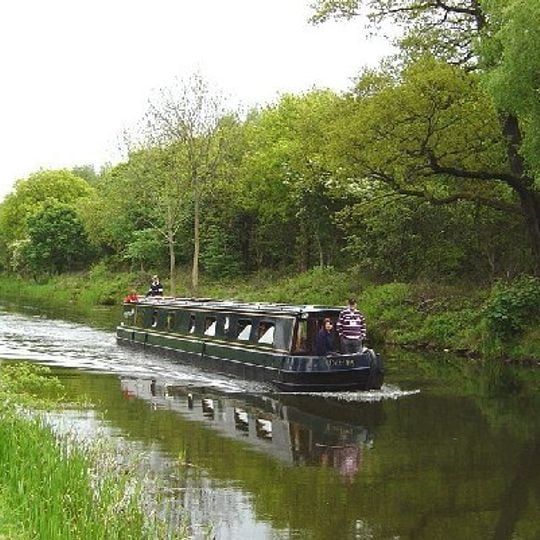
Forth and Clyde Canal, Industrial waterway between Glasgow and Edinburgh, Scotland
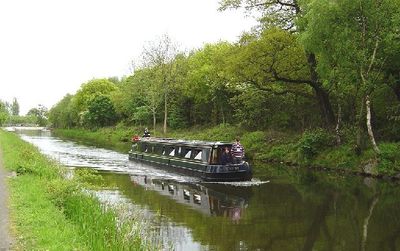
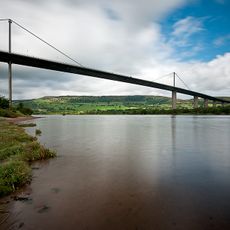
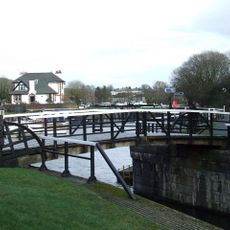
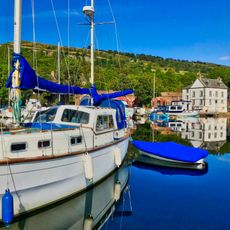
The Forth and Clyde Canal is a waterway that stretches across central Scotland, linking Glasgow with areas toward Edinburgh. The route features a series of locks that allow boats to navigate changes in elevation along the passage.
The canal was built in the late 1700s and became essential for moving goods like coal and iron between the two regions. It declined when railways arrived but was later restored for modern use and recreation.
The Kelpies along the towpath are two large steel horse head sculptures that stand as a reminder of the working horses that once pulled canal boats. They represent how crucial these animals were to the operation of the waterway.
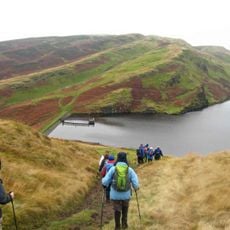
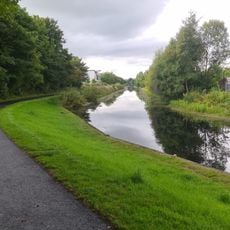
The area can be explored on foot or by bicycle, with paths that are flat and easy to navigate. Spring through autumn offers the best visiting conditions, when the weather is mild and daylight is longer.
The Falkirk Wheel is a rotating lock that connects two canals at different water levels without a long chain of traditional locks. This modern construction solved an engineering challenge that captivated designers for generations.
The community of curious travelers
AroundUs brings together thousands of curated places, local tips, and hidden gems, enriched daily by 91,377 contributors worldwide.