Royal Military Canal, Historic defensive canal in Kent, England
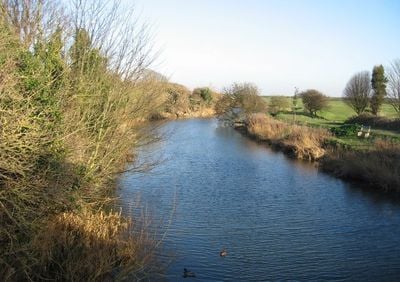
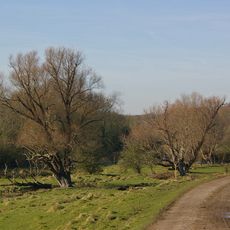
The Royal Military Canal stretches approximately 28 miles from Seabrook near Folkestone to Cliff End near Hastings, featuring earthworks, stone revetments, and several locks that exemplify early 19th-century military engineering techniques designed to create an effective defensive barrier.
Construction began on September 26, 1804, under Lieutenant-Colonel John Brown's supervision as part of Britain's defensive preparations against Napoleon's anticipated invasion, with the project receiving endorsement from Prime Minister William Pitt and costing approximately £234,000 to complete by 1809.
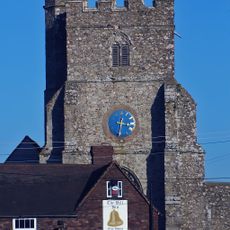
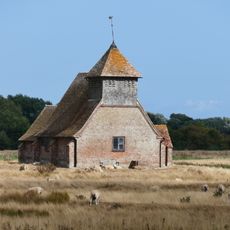
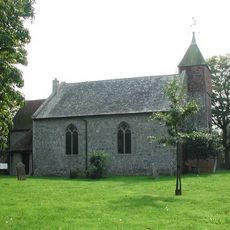
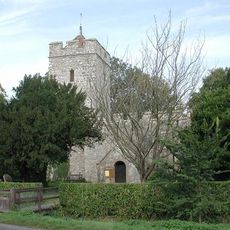
The canal has evolved from its original military purpose into a protected heritage site that forms part of the 163-mile Saxon Shore Way, offering visitors opportunities to explore remnants of wartime defenses, medieval structures, and local maritime traditions while serving as a symbol of British engineering resilience.
Today the canal supports recreational activities including walking, cycling, boating, and fishing, with boat hire available for rowing trips extending as far as West Hythe Dam, though licenses are required and navigators must adhere to restrictions at dams and locks.
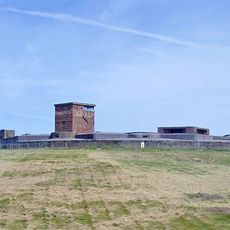
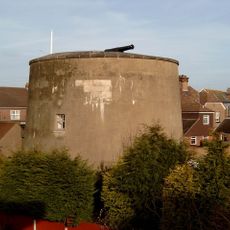
During World War II, the canal was reactivated as a defensive measure with concrete pillboxes and barbed wire installations along its ramparts, while German forces included it in their Operation Sea Lion invasion plans, demonstrating its strategic importance across two different centuries of warfare.
The community of curious travelers
AroundUs brings together thousands of curated places, local tips, and hidden gems, enriched daily by 60,000 contributors worldwide.