Chorleywood, large village in Hertfordshire, England
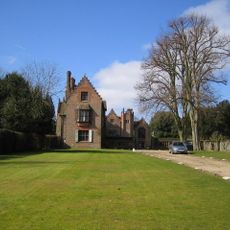
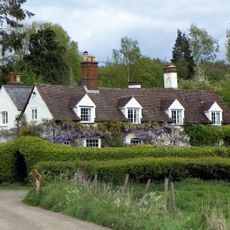
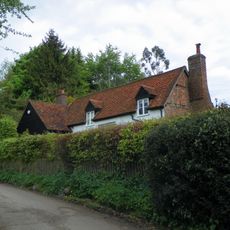
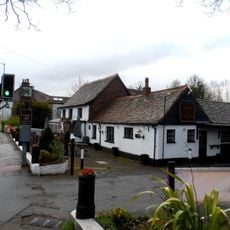
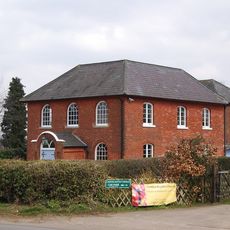
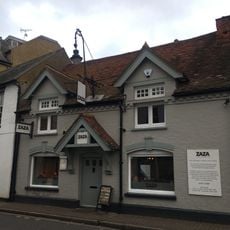
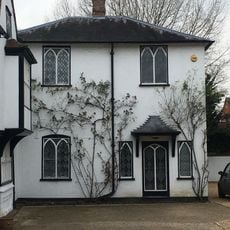
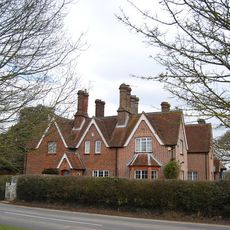
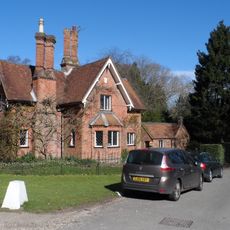
Chorleywood is a village and civil parish in the Three Rivers district of Hertfordshire, situated close to London. The settlement features modest homes with simple windows and low roofs, many built according to the design principles of architect C. F. A. Voysey, who emphasized practicality and honesty in architecture.
The area was originally Saxon woodland and later became farmland under the control of St Albans Abbey until the English Reformation. In the late 1800s, the new railway line transformed the village from a quiet farming community into a modern residential area for London commuters.
The village name comes from Saxon words meaning a free person's woodland clearing, reflecting how early settlers shaped the land. Today, the modest houses with pitched roofs and small windows show the influence of architect C. F. A. Voysey, whose design philosophy of honesty and practicality still defines the local character.
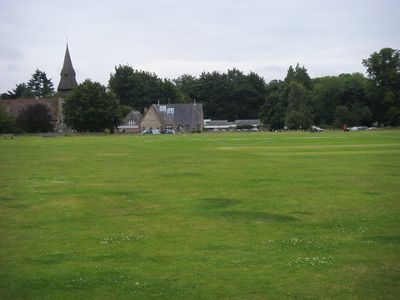
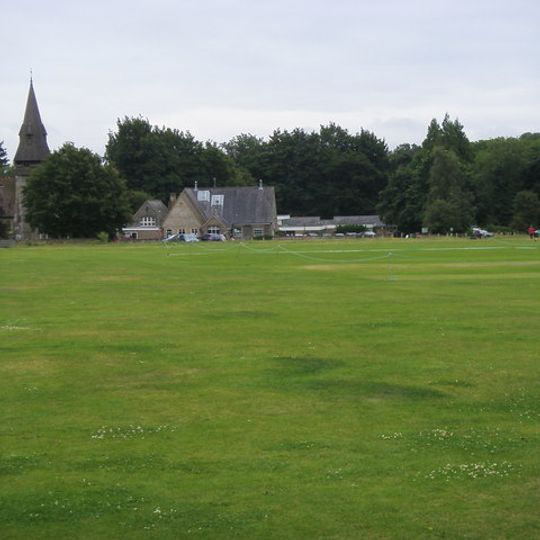
The village is served by the Metropolitan Line and Chiltern Railway, making it easily accessible from London. The streets are quiet and walkable, with small parks and a common area available for outdoor activities and leisurely exploration.
The village is known for the Chorleywood Process, a bread-making method developed in the 1960s that allowed bread to be produced faster and stay soft longer. This industrial baking technique was created to help local bakers cope with poor-quality wheat in England and is now used worldwide in factory bread production.
The community of curious travelers
AroundUs brings together thousands of curated places, local tips, and hidden gems, enriched daily by 92,725 contributors worldwide.