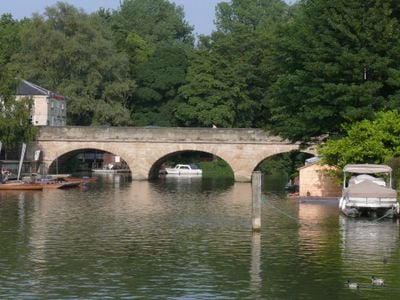
Folly Bridge, Stone deck arch bridge in central Oxford, England
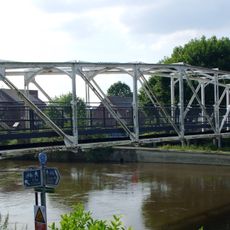
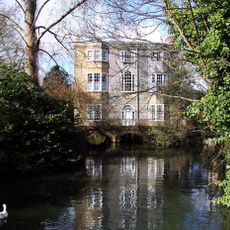
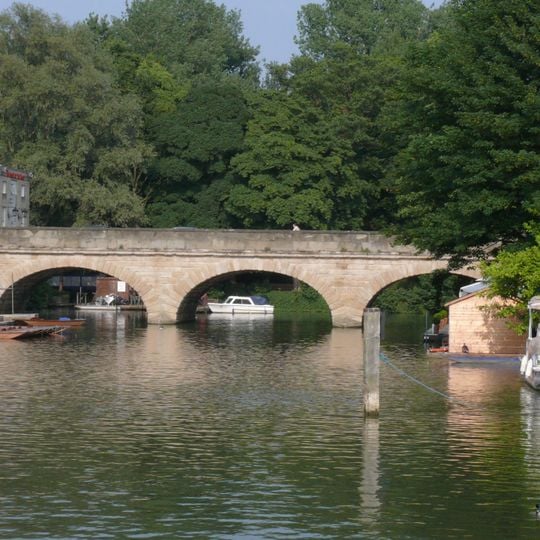
Folly Bridge is a stone arch crossing that carries the Abingdon Road over the River Thames in central Oxford, with a broad deck supported by multiple arches beneath. The structure handles both vehicle and foot traffic moving between the city's districts.
Built between 1825 and 1827 by architect Ebenezer Perry, it replaced a succession of earlier crossings dating back to 1085. The new bridge reshaped how people and goods moved through Oxford for nearly two centuries.
The bridge marks where Charles Dodgson began the boat journey that inspired Alice's Adventures in Wonderland, a moment deeply tied to Oxford's literary identity. The story emerged from a casual outing on this very stretch of water.
The bridge is open daily to traffic and pedestrians, linking the road networks on both sides of the river without steep grades. The flat crossing makes it accessible for all types of movement.
A six-sided building called Friar Bacon's Study once stood at the northern end, belonging to the scholar Roger Bacon from the 13th century. This odd structure is long gone but remains part of the bridge's history.
The community of curious travelers
AroundUs brings together thousands of curated places, local tips, and hidden gems, enriched daily by 91,783 contributors worldwide.