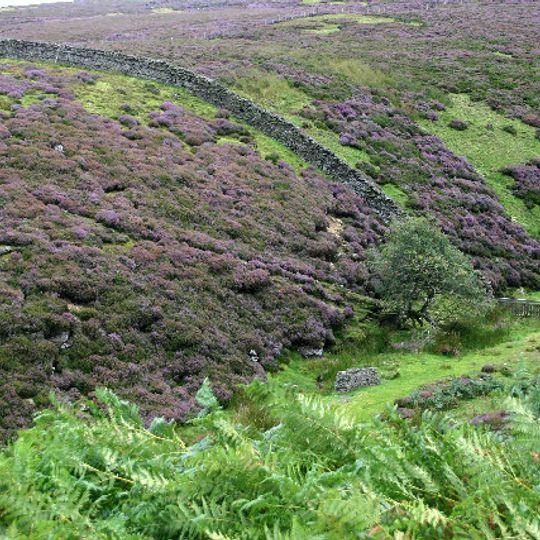
Upper Teesdale, Natural conservation site in County Durham, United Kingdom
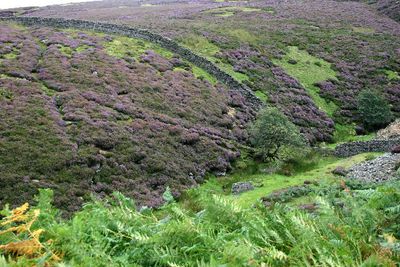
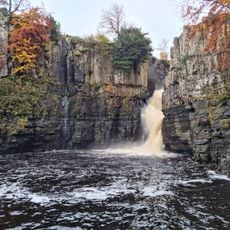
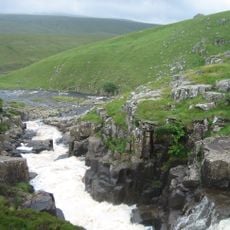
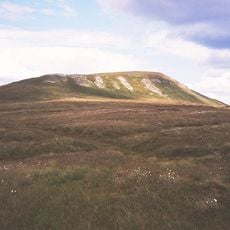
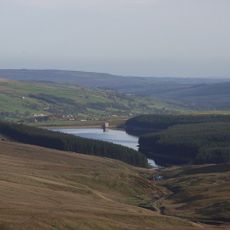
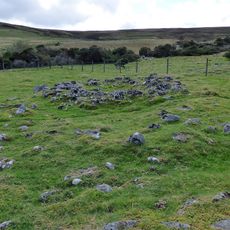
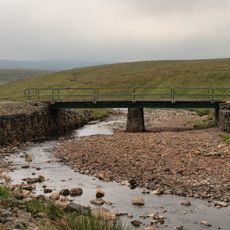
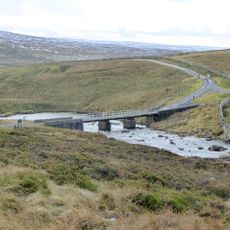
Upper Teesdale is a natural conservation site covering wetlands, moorland, and grassland in an upland area around the headwaters of the River Tees in northern England. The site encompasses several hundred hectares of rolling terrain with varying habitats that support rare plants and animal species.
The site received formal recognition as a place of special scientific importance in 1990, when it was separated from a former combined designation. This recognition reflected the value of its unique ecosystems and rare plant communities found nowhere else in most of Britain.
Local farmers have shaped the rolling terrain for centuries through traditional sheep grazing, which keeps open meadows and grasslands from becoming overgrown with shrubs. This working landscape remains actively managed by the community, maintaining the open spaces that many rare plants depend on.
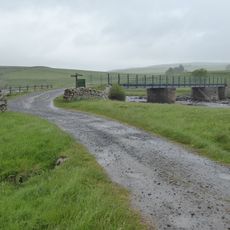
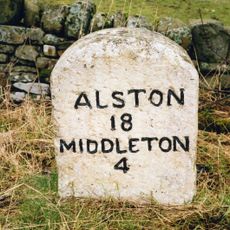
The site has multiple entry points and follows marked trails through different habitats for visitors to explore on foot. Good waterproof clothing and sturdy footwear are essential since the terrain is often boggy and muddy, especially after rain.
The area holds one of only two known outcrops of sugar limestone in Britain, a geological formation that supports highly specialized plant species. Some plants here are survivors from the last ice age and grow naturally only in arctic or high mountain regions elsewhere.
The community of curious travelers
AroundUs brings together thousands of curated places, local tips, and hidden gems, enriched daily by 91,272 contributors worldwide.