Greenwood Avenue Historic District, historic district in Connecticut, United States
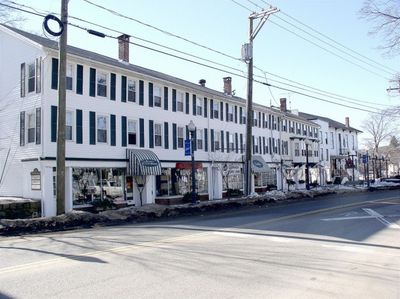
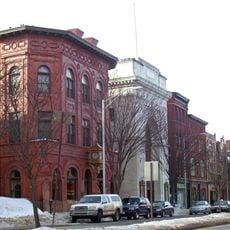
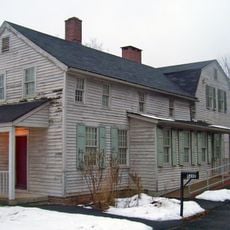
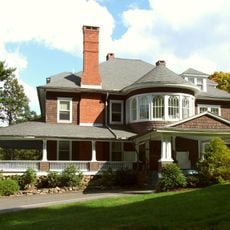
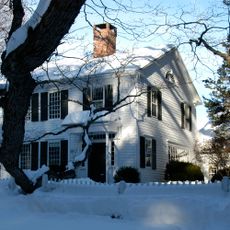
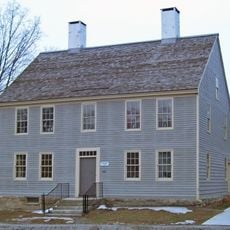
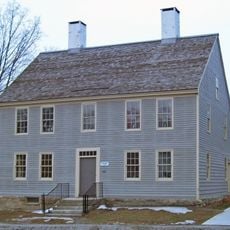
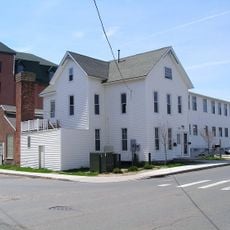
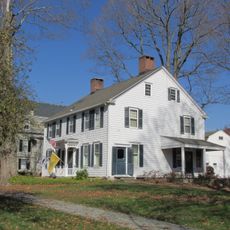
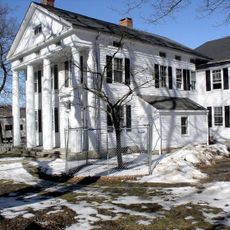
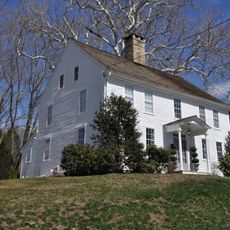
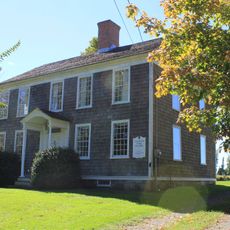
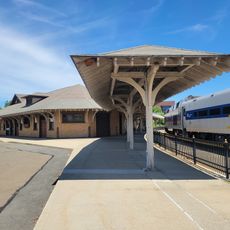
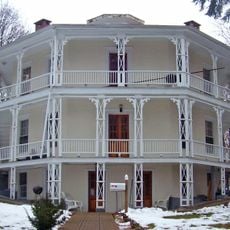
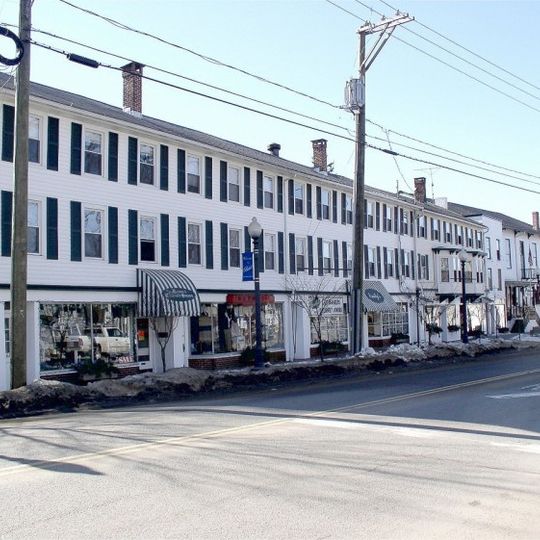
Greenwood Avenue Historic District is a neighborhood in Bethel, Connecticut, comprised of 19th-century buildings in Greek Revival and Renaissance Revival architectural styles. One-to-three-story wood and brick structures line several streets, including Greenwood Avenue, P. T. Barnum Square, and Depot Place, providing a preserved view of small-town American development.
Bethel became an independent town in 1855 after originally being part of Danbury, but growth accelerated with railroad construction in 1852. The area quickly became a business center, shaped by hat factories and rail transport, while landmark structures like Seth Seelye House around 1842 and Bethel Opera House around 1848 were built.
The name Greenwood Avenue comes from the original green fields that bordered early settlement. Today, the district functions as a quiet residential and commercial hub where long-time families maintain their homes and share local stories about how the area evolved from a farming community.
The district is small and easy to walk through entirely on foot, with mature trees shading sidewalks and making strolls pleasant. Some buildings now house shops and restaurants, while others like Seth Seelye House serve as the town library, offering practical stops while exploring.
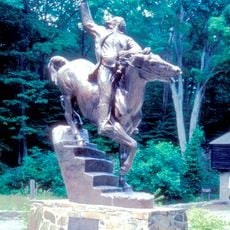
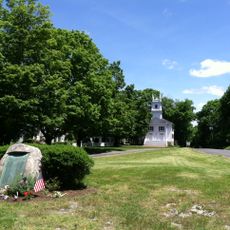
The district was influenced by famous circus impresario P. T. Barnum, who was born in Bethel and donated a public square to the town in 1881. The square contains a bronze statue of a World War I Doughboy soldier created by Ernest Moore Viquesney, bringing national artistic significance to a small town.
The community of curious travelers
AroundUs brings together thousands of curated places, local tips, and hidden gems, enriched daily by 91,860 contributors worldwide.