Pemaquid Archeological Site, Archaeological site and fort in Bristol, United States
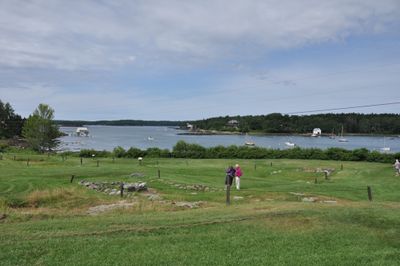
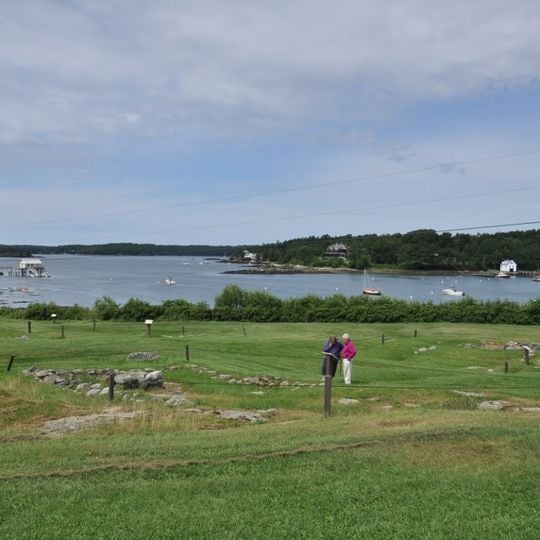
Pemaquid Archaeological Site contains excavated stone foundations and cellar holes that map out a colonial settlement along Maine's coast. The revealed structures show how buildings were arranged and organized within this historic community.
The site saw multiple reconstructions between 1676 and 1759, with three different forts built to defend against French and indigenous conflicts. These repeated rebuildings show the instability and ongoing tensions across this contested region.
The artifacts found here reveal how English settlers lived daily life and interacted with Wabanaki peoples. Objects like pottery, tools, and household items show the practical routines and shared connections of both communities.
The historic site operates seasonally from mid-May through mid-October with guided tours and interpretive displays available. Visitors should wear comfortable walking shoes and be prepared for coastal weather conditions when exploring the exposed foundations.
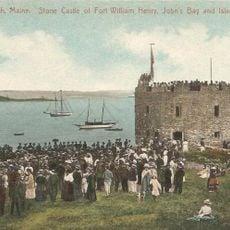
Fort William Henry, built in 1692, was New England's first stone fortification and marked a turning point away from wooden defenses. This structure represented a major shift in construction methods for regional military architecture.
The community of curious travelers
AroundUs brings together thousands of curated places, local tips, and hidden gems, enriched daily by 60,000 contributors worldwide.