Tahquamenon River, River system in Upper Peninsula, Michigan, United States
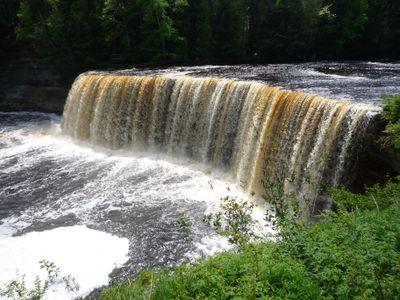
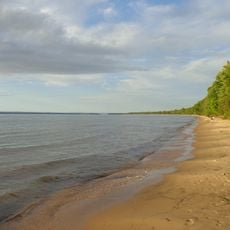
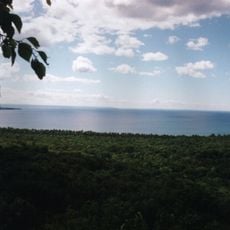
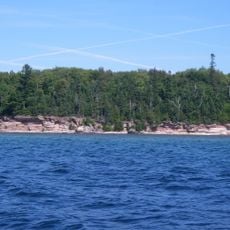
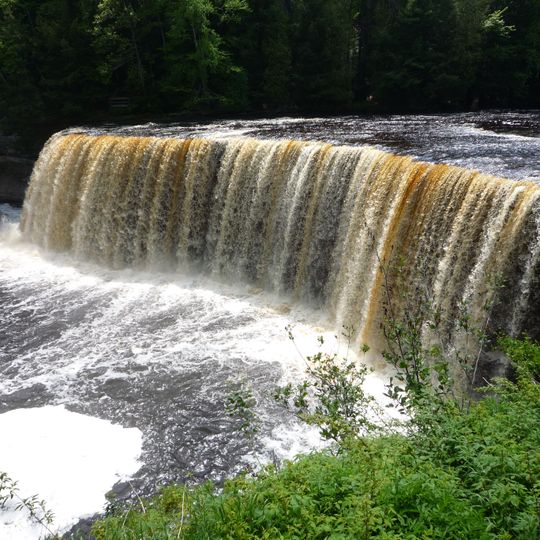
Tahquamenon River is a major waterway in Michigan's Upper Peninsula that extends eastward across forested terrain before reaching Whitefish Bay on Lake Superior. The lower section features wide cascades and an island accessible by boat, while the upper stretch flows through remote wetland areas.
The name first appeared on a Jesuit map in 1672, reflecting early European contact with the waterway used by indigenous peoples. Fur trappers and loggers later shaped the region during the 1800s, and the area eventually became protected as a state park.
The river holds significance in American literature as the setting for adventures in Longfellow's poem about Native American journeys. Generations of canoeists have continued this tradition, treating the waterway as a cultural landmark.
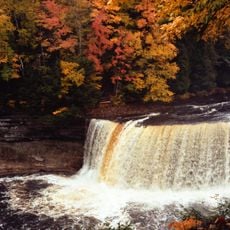
The best way to experience the river is through viewing platforms and walkways at Tahquamenon Falls State Park, which provide access to both upper and lower waterfall areas. Rowboat rentals allow visitors to reach the island between the lower falls, though water conditions and weather should be considered before visiting.
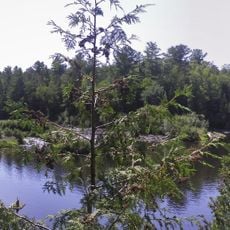
The river water displays a distinctive brown hue caused by tannins leaching from cedar, spruce, and hemlock trees in surrounding wetlands. This coloration persists throughout the waterway and actually helps prevent algae growth while creating the river's signature appearance.
The community of curious travelers
AroundUs brings together thousands of curated places, local tips, and hidden gems, enriched daily by 90,803 contributors worldwide.