Pennsylvania Station, Historic train station in New York
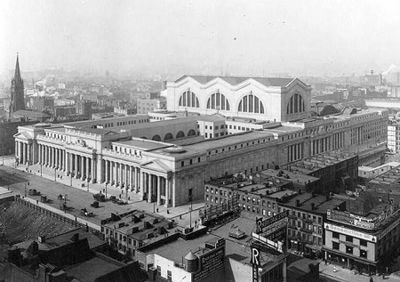
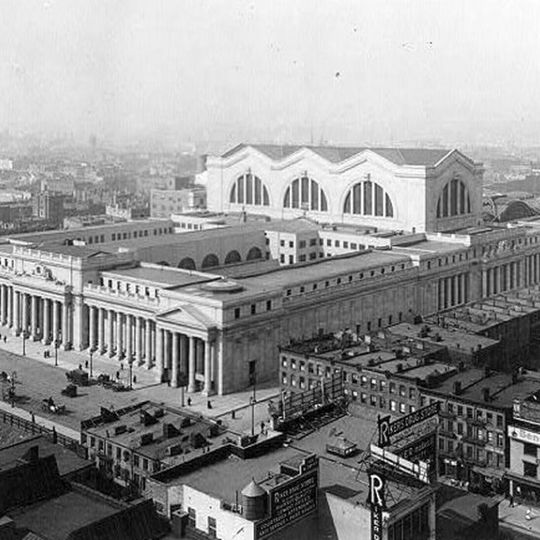
Pennsylvania Station was a grand train terminal in Manhattan designed by the prestigious architecture firm McKim, Mead & White. The building featured soaring Beaux-Arts design with Roman travertine exterior and stately Doric columns that defined its imposing presence on the city skyline.
The station opened in 1910 as a triumph of American railroad architecture but was demolished in 1963 to make way for development. This demolition became a watershed moment that led directly to the creation of laws protecting historic landmarks across the country.
The station's demolition sparked important conversations about preserving historic buildings in America and motivated people to protect architectural treasures. This loss became a turning point in how cities think about their past.
The original building no longer stands, having been demolished in 1963, but visitors can see the site in Midtown Manhattan where this architectural landmark once dominated the cityscape. Historical photographs and architectural drawings are available in museums and archives to help understand what was lost.
The station featured one of the largest indoor spaces of its era, created through engineering innovations that allowed trains to operate beneath the city streets while maintaining grand interior spaces above ground. Its travertine and Doric columns were chosen not just for beauty but to convey the permanence and power that railroad companies wanted to project.
The community of curious travelers
AroundUs brings together thousands of curated places, local tips, and hidden gems, enriched daily by 90,900 contributors worldwide.