Llanura amazónica, Tropical lowland region in southeastern Colombia.
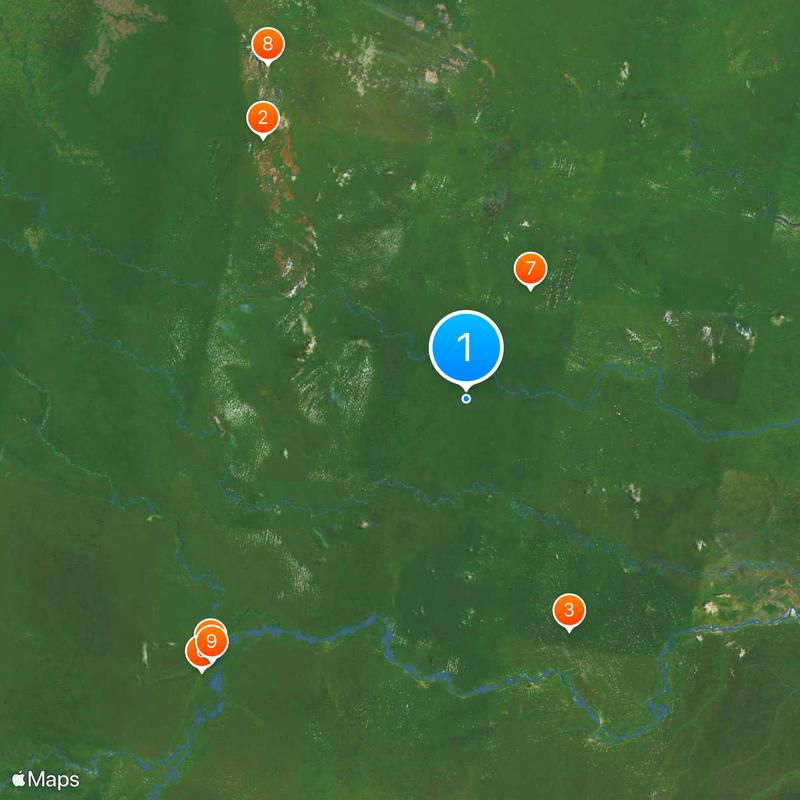
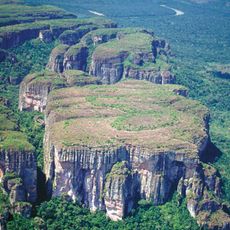
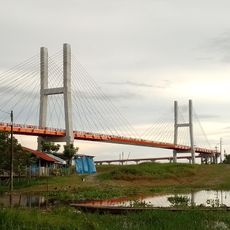
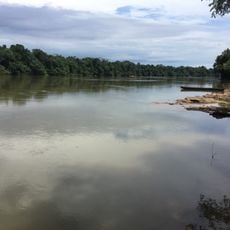
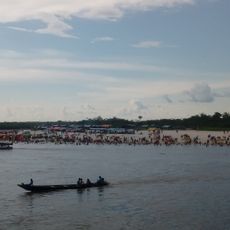
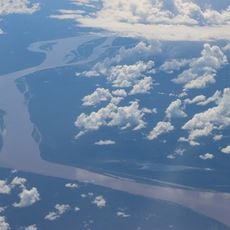
The Llanura amazónica is a tropical lowland in southeastern Colombia, stretching from the Guaviare River to the Amazon River and bordered by the Eastern Cordillera and Brazil. Rivers cut through the landscape, shaping the terrain and serving as transportation routes, while dense rainforest covers much of the region.
Archaeological evidence shows people have lived in this lowland for over 11,000 years, with densely populated communities forming along riverbanks. European expansion later influenced the region, yet indigenous cultures have endured to the present day.
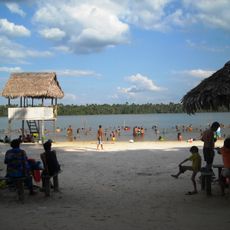
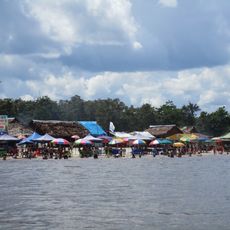
Indigenous peoples shape their daily lives around the rhythm of rivers and forests, drawing food and medicines from the rainforest around them. Their settlements scatter along waterways, where seasonal floods and forest cycles guide how communities build and live.
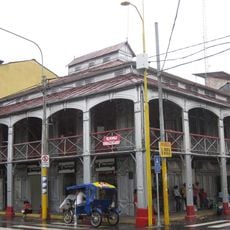
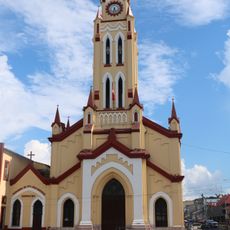
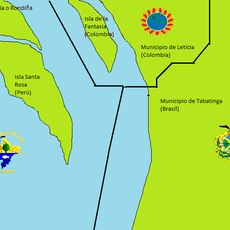
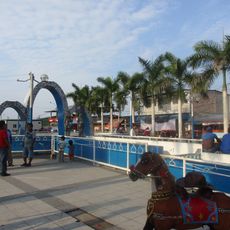
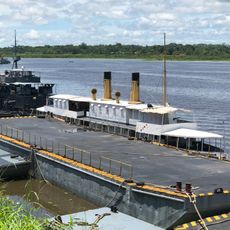
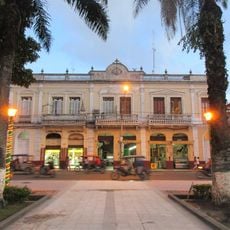
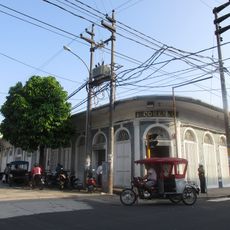
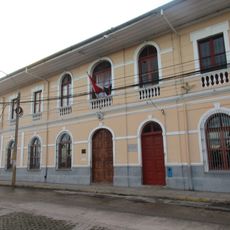
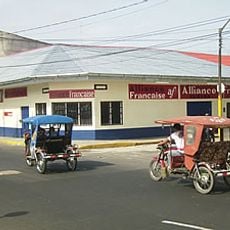
Five main towns—Florencia, Leticia, Mitú, Mocoa, and Inírida—anchor the region and connect through river transportation networks. Visitors planning to explore should expect water-based travel and time their trip outside the heavy flood season for easier navigation.
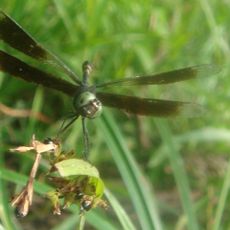
The lowland harbors an exceptional range of plant and animal life, containing thousands of species found nowhere else on Earth. This biological richness makes it one of the world's most valuable ecosystems for scientific study and conservation.
The community of curious travelers
AroundUs brings together thousands of curated places, local tips, and hidden gems, enriched daily by 90,936 contributors worldwide.