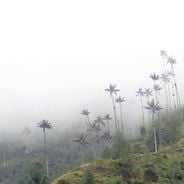
Amacayacu National Park, National park in Amazon Trapezoid, Colombia
Amacayacu National Park covers 293,500 hectares of tropical rainforest in the Amazon Trapezoid, encompassing flooded forests, wetlands, and river systems along the Amazon. The protected area offers different vegetation zones, from riverside forests to higher rainforest sections that provide habitat for numerous species.
The park was created in 1975, when INDERENA director Julio Carrizosa secured protection for about 4,220 square kilometres of jungle and banned hunting for the international skin trade. The initiative grew from a request by Julia Allen Field, who had built the La Manigua research station on the Cothué River. On 30 September 1975 the park and a ban on logging were announced in Tarapacá.
The Tikuna continue to inhabit roughly one fifth of the protected area, maintaining their language and inherited customs. Travelers can join encounters with community members and gain insight into their daily life along the river.
Marked trails lead through the rainforest and enable wildlife observation, while boat trips on Lake Tarapoto offer encounters with river dolphins. Guided tours with locals deepen understanding of the surroundings and make orientation in the terrain easier.
The park's name comes from Quechua, meaning "River of the Hammocks", and the Ticuna people still live within its 4,220 square kilometres. Visitors sleep in hammocks or cabins at the visitor centre, and boat trips reach Isla de los Micos, Mocagua and Tarapoto Lake, where pink river dolphins are seen.
The community of curious travelers
AroundUs brings together thousands of curated places, local tips, and hidden gems, enriched daily by 92,598 contributors worldwide.