Central Amazon Ecological Corridor, Protected ecological area in Amazonas and Pará, Brazil
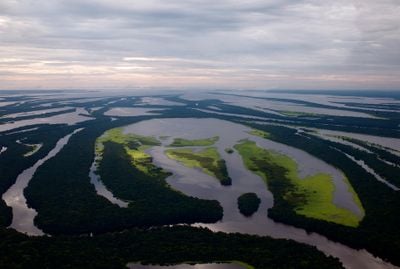
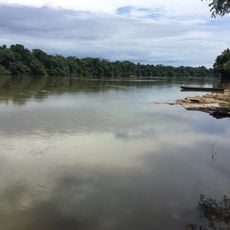
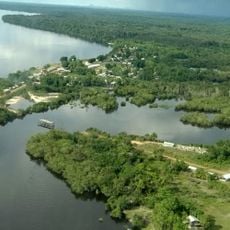
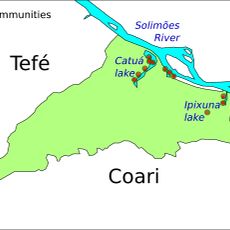
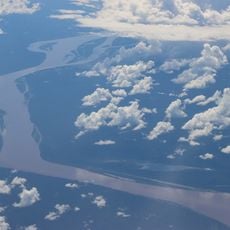
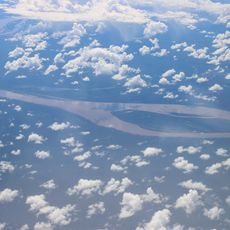
The Central Amazon Ecological Corridor is a 52,159,206-hectare corridor in Amazonas, with a small part in Pará, connecting conservation units across the Solimões and Negro basins. It spans Tertiary terra firma and black-water formations plus Pleistocene and Holocene floodplains laid down by white-water sediments. Its main urban centres are Manaus, Manacapuru and Tefé.
The agreement to implement the Central Amazon Ecological Corridor was signed on 28 December 2001 and took effect on 15 March 2002. It was one of two corridors, with the Central Atlantic Forest corridor, chosen to test the approach in Brazil's two main forest biomes. On 24 August 2010 the Ministry of the Environment and the University of Amazonas Foundation agreed to cooperate on restoring degraded areas within the corridor.
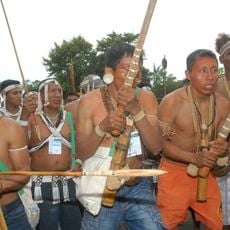
The corridor's management is participatory, involving government and civil-society actors at national, regional and local levels. Local actors include fishing communities, loggers' associations and other groups that exploit natural resources, alongside indigenous territories whose inclusion brings over 70% of the corridor into protected areas.
The corridor is not a single visitable site but a planning framework linking conservation units across the Solimões and Negro basins, mostly in Amazonas with a small part in Pará. Access to individual reserves is arranged through their own managing bodies, and the corridor's participatory management involves government, civil society and local associations such as fishing communities.
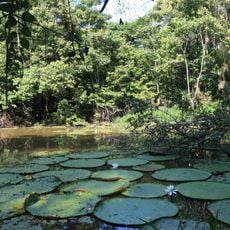
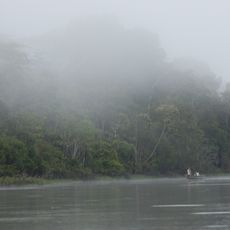
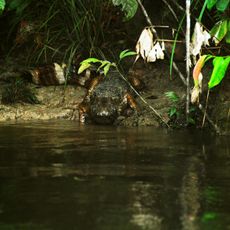
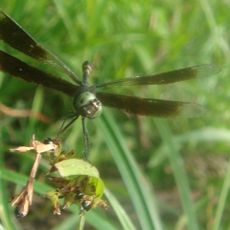
The area features a complex system of blackwater streams and flooded forests that shift dramatically with the seasons. This shifting landscape creates specialized habitats for plants and animals found nowhere else in the world.
The community of curious travelers
AroundUs brings together thousands of curated places, local tips, and hidden gems, enriched daily by 94,736 contributors worldwide.