Mamirauá Sustainable Development Reserve, Sustainable development reserve in Amazonas, Brazil.
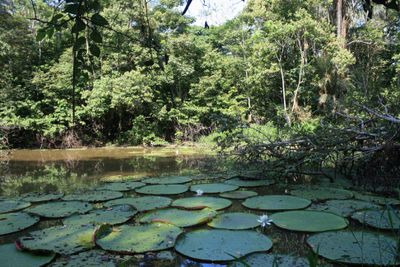
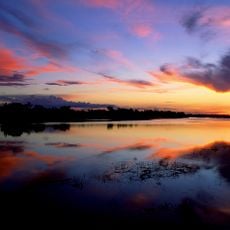
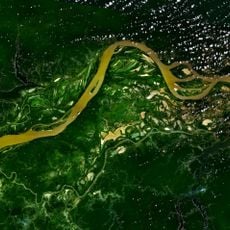
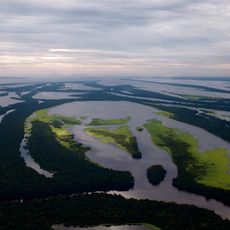
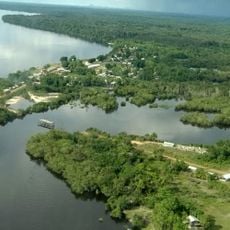
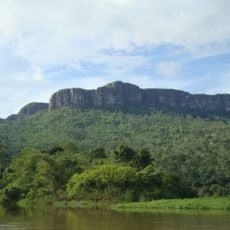
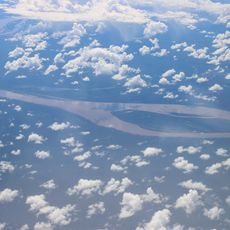
Mamirauá is a 1,124,000-hectare reserve covering the elongated triangle between the Solimões River and the Japurá River, joined by the Auati-Paraná Canal. It is mostly várzea flooded forest, with lakes, channels and islands, and is divided among the municipalities of Fonte Boa, Maraã, Uarini, Japurá and Tonantins.
Protection of the area began in 1985 when researcher José Márcio Ayres established it as an Ecological Station. It received its current status as a sustainable development reserve in 1996.
The name Mamirauá comes from the lake at the heart of the reserve, and its most accepted meaning is "manatee calf". The reserve is home to ribeirinhos and to Ticuna, Cambeba and Cocama Amerindian groups, with an estimated population of 6,306. Local people take part in research, extension and management activities that help protect the area.
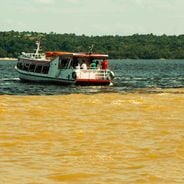
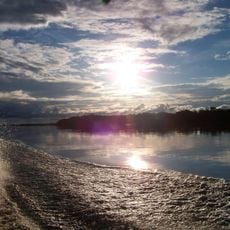
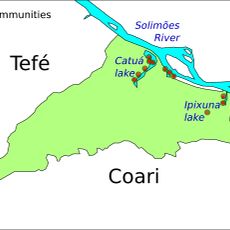
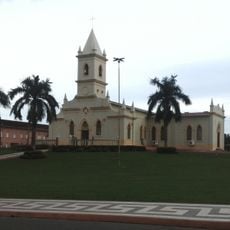
Water routes are the main way to explore the area, as high water levels make travel by water necessary during much of the year. The nearby city of Tefé serves as the main starting point for visits and offers good access to reach the reserve.
Water levels rise and fall each year by up to 7 to 15 meters, constantly reshaping the landscape. These extreme swings create an ever-shifting network of lakes, streams, and islands that show visitors completely different views of the place depending on the season.
The community of curious travelers
AroundUs brings together thousands of curated places, local tips, and hidden gems, enriched daily by 94,027 contributors worldwide.