Jaú National Park, National park in Amazonas, Brazil
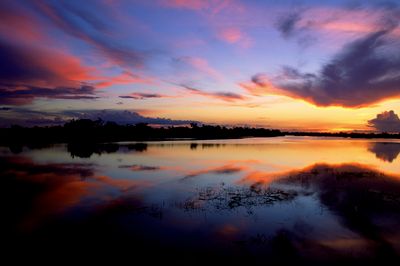
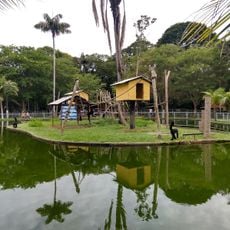
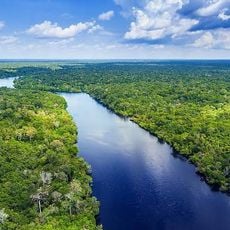
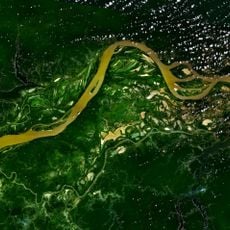
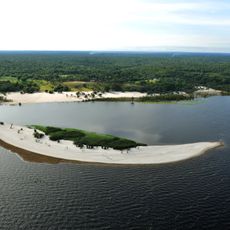
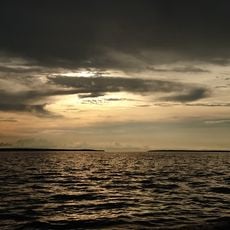
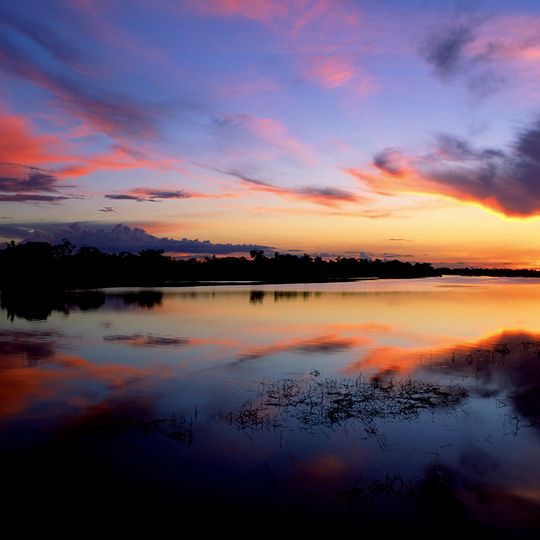
Jaú National Park is a vast protected rainforest area in Amazonas, Brazil, situated between the Unini and Carabinani rivers. The landscape features permanent lakes and waterways throughout, creating an intricate network of black water systems that support the forest ecosystem.
The park was established in 1980 to protect the black water ecosystem and support the communities living there. This protected status has safeguarded one of South America's largest remaining intact rainforest areas from outside development.
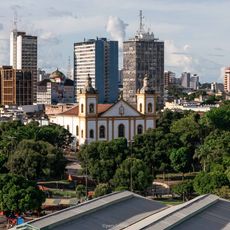
The Jaú River takes its name from the jaú catfish (Zungaro zungaro), one of Brazil's largest fish. Near the park, on the Rio Negro, lie the ruins of Airão Velho, the oldest Portuguese settlement on that river and a trading centre during the rubber boom. Pottery and petroglyphs along the Negro, Jaú and Unini rivers mark former indigenous occupation. The Quilombo do Tambor community on the Jaú was officially recognised in 2006 by the Palmares Cultural Foundation (Portaria nº 11, Diário Oficial of 7 July 2006) and still seeks demarcation of its land.
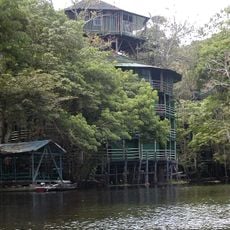
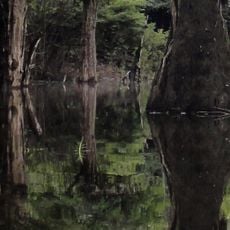
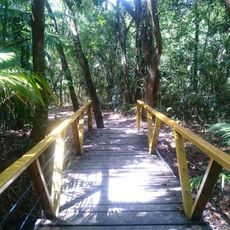
Entry requires a permit obtained by filling in a form with visitor and visit details, requested by email or at the park office during business hours. Access to the advanced base must take place between 07:00 and 20:00, though staying in the park is allowed 24 hours. The dry season, usually September to February, exposes beaches, rapids and petroglyphs; the flood season, March to August, allows igapó forest walks and aquatic trails.
The park protects the entire basin of the Jaú River, about 450 km long, the only Brazilian conservation unit to fully protect the basin of a large, voluminous river. Its black-water ecosystem is part of the Central Amazon Conservation Complex, a UNESCO World Heritage Site since 2003.
The community of curious travelers
AroundUs brings together thousands of curated places, local tips, and hidden gems, enriched daily by 93,009 contributors worldwide.