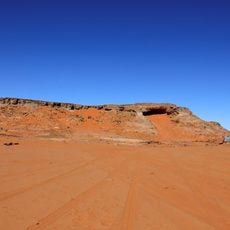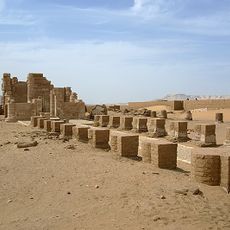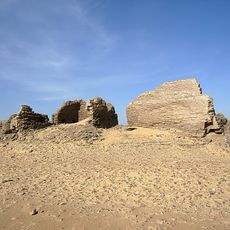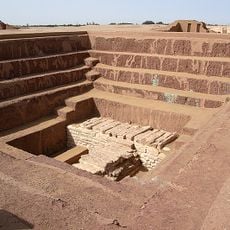
Cave of the Archers, Prehistoric rock art site in Gilf Kebir National Park, Egypt
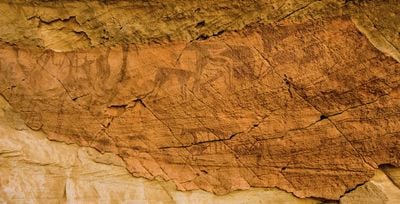
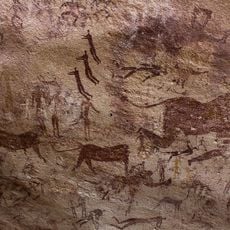
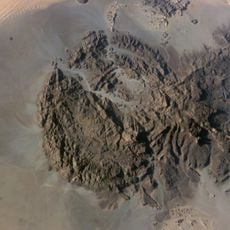
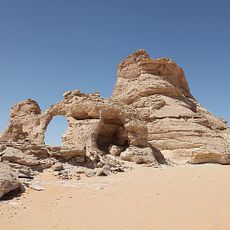
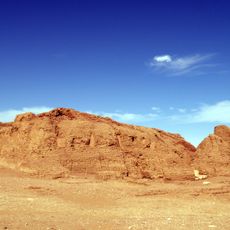
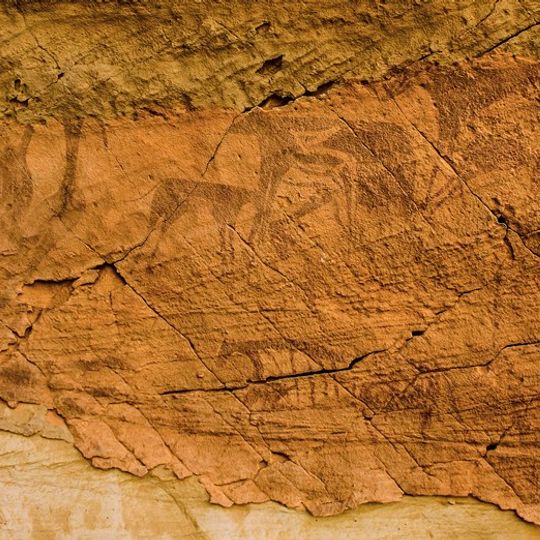
The Cave of the Archers sits within Gilf Kebir National Park and holds rock paintings on sandstone walls depicting hunters with bows alongside cattle herds. The artworks date to the Neolithic period and represent some of the oldest known artistic creations in this region.
A Hungarian explorer discovered the site in 1933 and revealed Neolithic depictions roughly 10,000 years old. These artworks emerged during a period when the Sahara experienced a much wetter climate and could support human and animal populations.
The rock paintings depict hunting scenes that held significance for ancient communities and reveal how they lived in their surroundings. The images provide insight into daily life during a period when the Sahara had more vegetation and water.
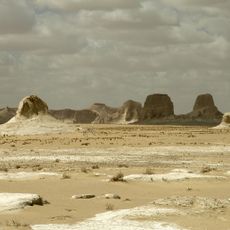
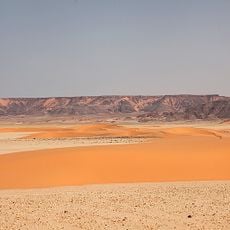
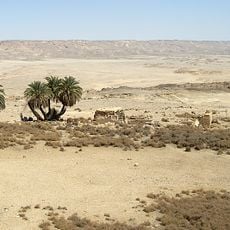
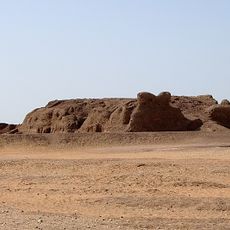
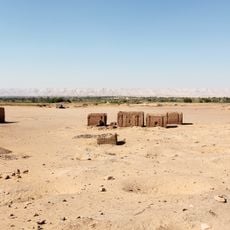
The location sits in a remote desert region and requires careful planning to reach. Visitors should prepare for extreme heat, sandstorms, and limited water availability.
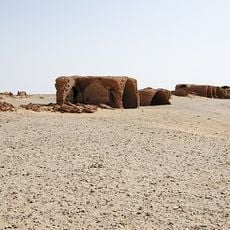
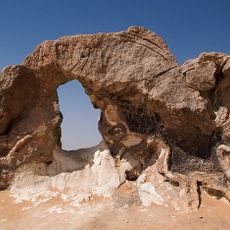
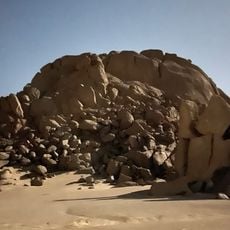
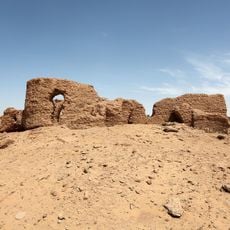
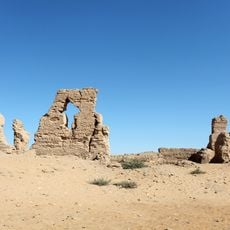
The sandstone walls have severely weathered and only a few painted blocks remain intact, making each artwork particularly valuable for research. The poor preservation state emphasizes how fragile these ancient creations are and why their documentation becomes increasingly important.
The community of curious travelers
AroundUs brings together thousands of curated places, local tips, and hidden gems, enriched daily by 60,000 contributors worldwide.