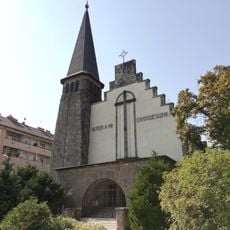
Kiscell Museum, Municipal history museum in Óbuda district, Hungary.
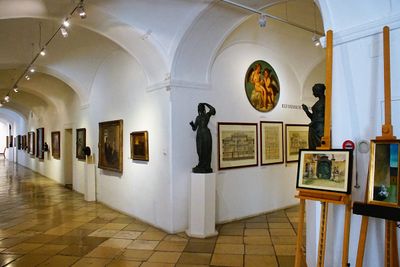
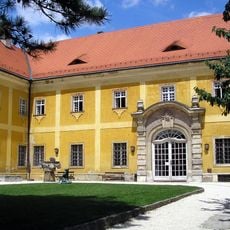
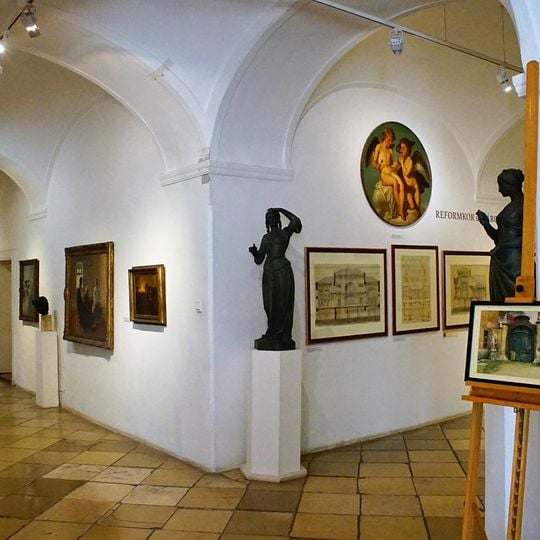
Kiscell Museum occupies a former monastery building with spacious halls displaying the city's history and contemporary art. The collections include furniture, paintings, and sculptures that document different periods of Budapest's past.
The building was constructed between 1738 and 1758 as a monastery for the Trinitarian order and served this purpose until 1783. After dissolution by Emperor Joseph II, it was later converted into a residence and eventually into a museum.
The museum displays how Budapest developed over centuries through objects and artworks from daily life. You see how the city and its people changed through different periods and styles.
The museum is open Tuesday through Sunday with extended hours from April to October and shorter hours from November to March. Plan to spend at least two hours exploring the various collections at your own pace.
The museum preserves the private collection of Viennese furniture maker Miksa Schmidt, who transformed the monastery into his home in 1910. His impressive collection remains on display today, shaping the appearance of several exhibition rooms.
The community of curious travelers
AroundUs brings together thousands of curated places, local tips, and hidden gems, enriched daily by 91,674 contributors worldwide.