Faluház, Residential tower in Budapest, Hungary
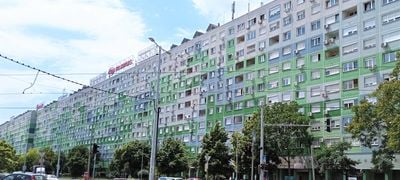
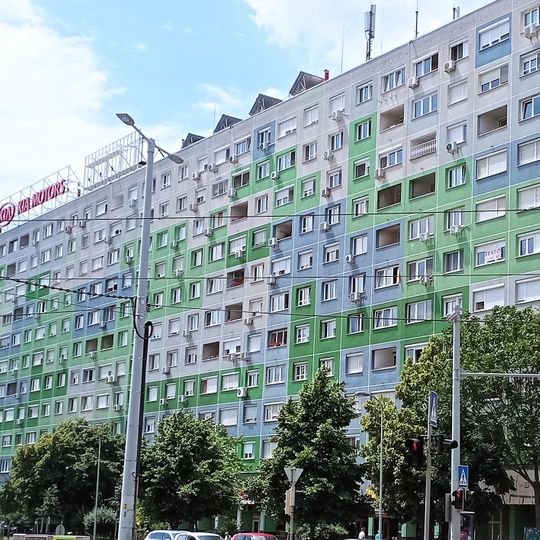
The Faluház is an eleven-story residential building constructed from prefabricated concrete panels characteristic of Plattenbau architecture. The structure features repeating rows of windows and a lean, functional exterior typical of large-panel construction methods.
The building was completed in 1970 during Hungary's socialist period when the city was growing rapidly and authorities needed to build housing quickly. The prefabricated panel method allowed construction of many apartments efficiently and at lower cost.
The building shows how socialist Budapest embraced modern housing solutions for its residents, with practical floor plans designed for everyday family life. Its presence reflects the era's belief that housing should be affordable and accessible to working people.
The building is an active residential complex with private apartments, so visiting the interior is typically not possible. Visitors can study the exterior and architecture from the street to understand the construction style of that period.
The building shows the Danish and Soviet influences that blended together in the European prefabricated housing movement. This mixing of design principles from different countries made such structures into examples of a shared architectural language across borders.
The community of curious travelers
AroundUs brings together thousands of curated places, local tips, and hidden gems, enriched daily by 90,816 contributors worldwide.