Aquincum, Roman archaeological site in Budapest, Hungary
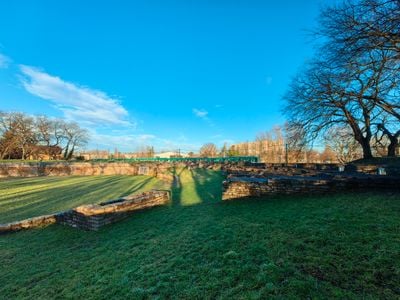
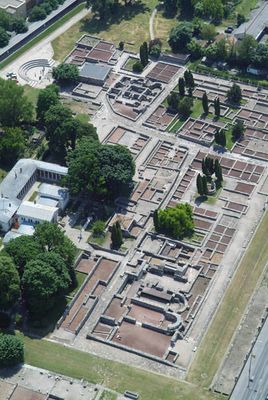
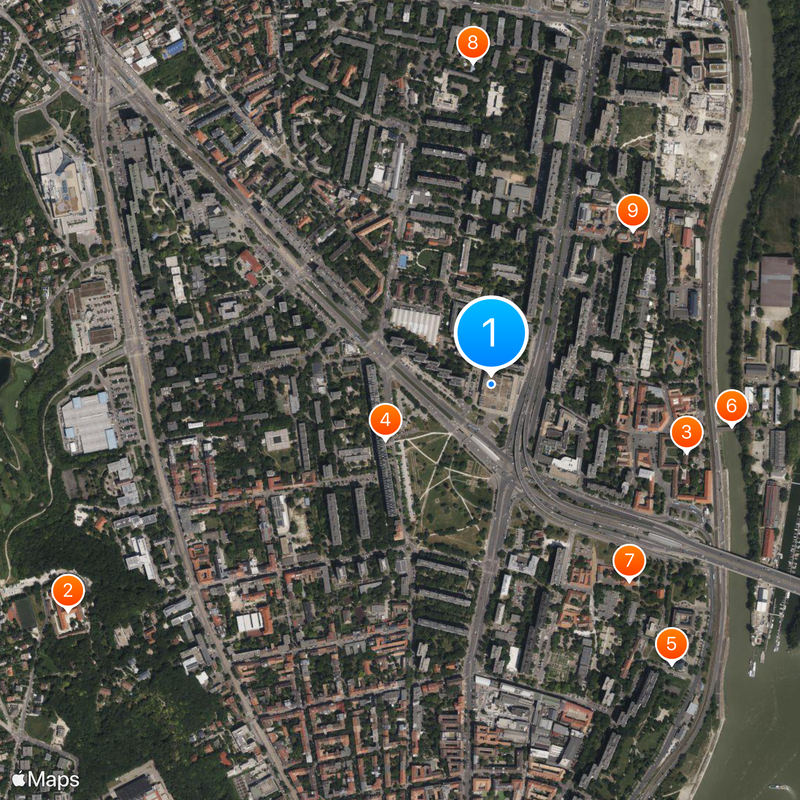
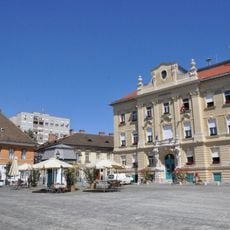
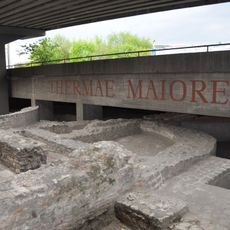
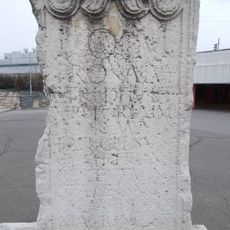
Aquincum is a Roman archaeological zone in northern Budapest that displays military buildings, public structures, and bath complexes. The remains cover several neighborhoods and include an aqueduct network that once supplied the settlement with water from nearby springs.
Emperor Trajan made the garrison town the provincial capital of Pannonia inferior in the year 106. Over the following centuries, the settlement grew into a civilian colony that bridged military and civic functions.
The two amphitheatres, the Civil and the Military, were built in the 1st century AD for gladiatorial combats and beast fights. The name probably comes from an Illyrian or Celtic root meaning water, so an origin in aquae quinque, five waters, is also considered possible. Medieval chroniclers took the ruins for those of the legendary town of Sicambria.
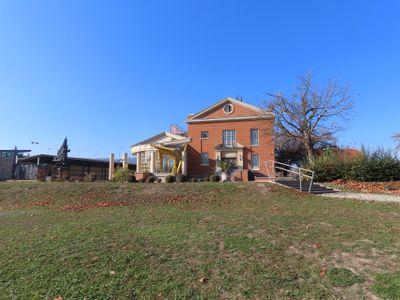
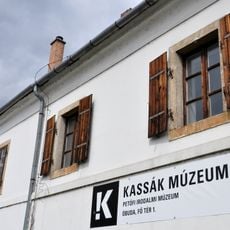
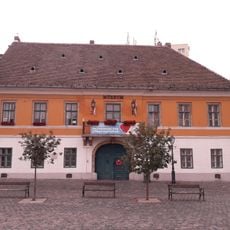
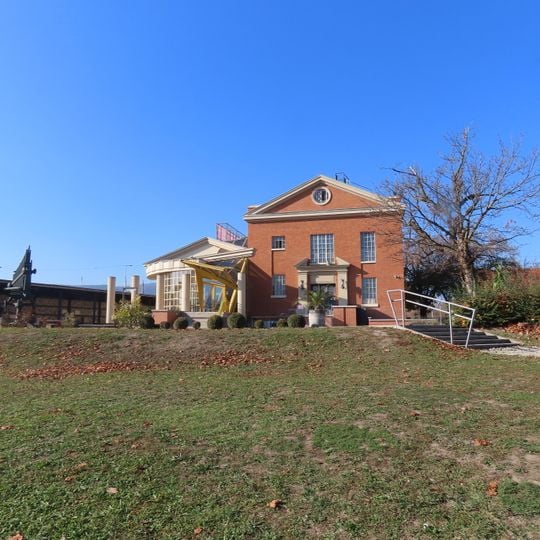
The museum on the grounds displays finds from excavations, including well-preserved mosaics, everyday objects, and a portable bronze organ. Outdoor areas can be explored on foot, with signs marking key structures and providing context.
Besides the excavations, archaeologists found tools and coin dies proving the settlement minted its own currency. This minting facility supplied the region with money and contributed to the province's economic independence.
The community of curious travelers
AroundUs brings together thousands of curated places, local tips, and hidden gems, enriched daily by 92,755 contributors worldwide.