Selyemgombolyító, Industrial heritage building in Óbuda, Hungary
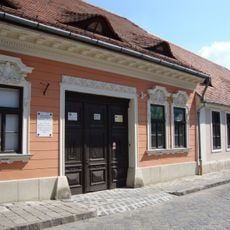
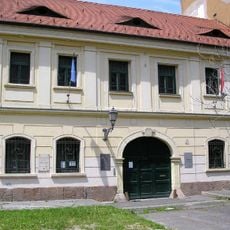
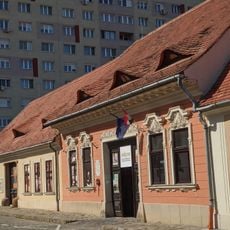
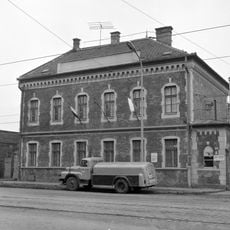
Selyemgombolyító is an industrial building in Óbuda with an unusual oval floor plan and a curved staircase connecting to two entrance doors on its main facade. The structure was specifically designed for silk-winding work and sits at Miklós Square 1 in the third district.
Emperor Joseph II commissioned Italian silk expert Mazzocato in the 1780s to establish a silk-winding facility, aiming to strengthen Hungary's production capacity in that industry. The project reflected broader Habsburg efforts to develop manufacturing within their territories.
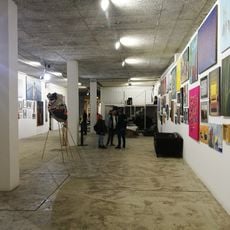
The name comes from silk winding (selyemgombolyítás), the first stage of silk production: silkworm cocoons were killed with hot air, soaked in hot water and unwound into raw silk threads up to several hundred metres long. The Italian master Agostino Mazzocato ran the works until his death in 1814, when his son took over. Since the 1980s the building has housed cultural bodies, among them the táncház dance-house movement.
The building is located at Miklós Square 1 and can be reached by buses 9, 34, 106 or the H5 suburban railway to Szentlélek Square. Today it houses offices, so access may be limited depending on business hours.
The oval plan may have served supervision rather than silk-winding: the interior was originally one open space on each floor, with no staircase between levels. The separate rooms and the courtyard gallery date from the 19th-century rebuilding after the Danube flood of 1838, when the building passed to the Danube Steamship Company.
The community of curious travelers
AroundUs brings together thousands of curated places, local tips, and hidden gems, enriched daily by 92,722 contributors worldwide.