Klimo Library, university library in Pécs, first public library of Hungary
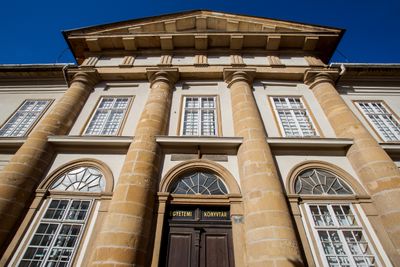
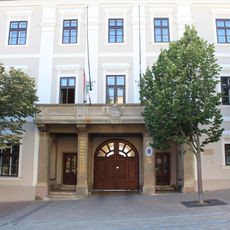
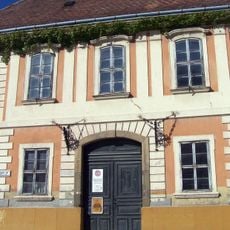
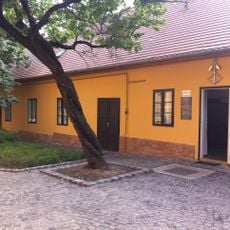
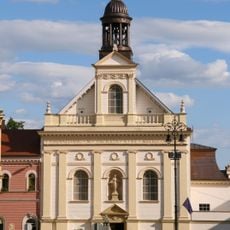
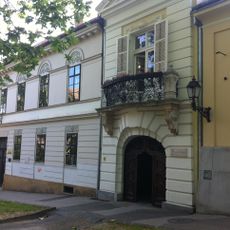
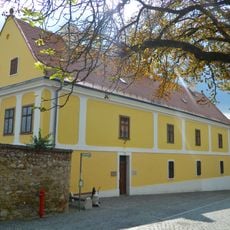
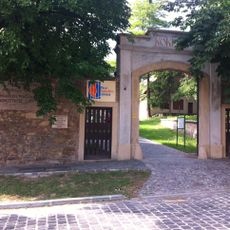
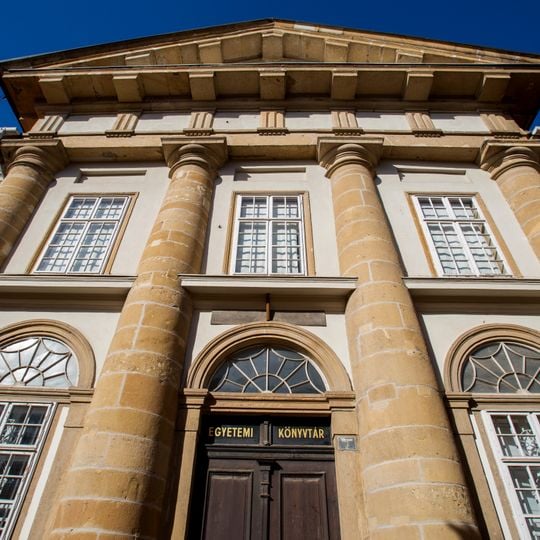
The Klimo Library is housed in a classicist building in Pécs, designed specifically to preserve old and rare books. The collection started with approximately 3,000 volumes covering religion, law, and history, gathered mainly from Austria, Italy, and the Netherlands. Today it holds manuscripts, medieval documents, antique codices, over 250 ancient printed books, and a Dutch globe from the 1700s, with materials written in Latin, German, Hungarian, Italian, Armenian, Sanskrit, Russian, and Arabic.
The Klimo Library was founded in the 18th century by Bishop György Klimo, who built the collection and opened it to the public in 1774, making it Hungary's first public library. After Klimo's death, the collection grew slowly and received a new classicist building in 1832, then became part of the university in 1923 where it continues to serve scholars and researchers today.
The name honors Bishop György Klimo, who built the collection in the 18th century and opened it to the public in 1774. Visitors can see how knowledge was organized and shared - rare books were displayed in special halls while other volumes filled the shelves, reflecting the library's role as a gathering place for learning.
The library can be visited Monday through Thursday mornings and Friday at noon, with guided tours available in English, German, or Russian. Those wishing to visit outside regular hours can call ahead to arrange a time, and the staff is helpful with questions about the collection and building.
The collection was filled by various bishops over centuries, with books often acquired through personal contacts across Europe and even from dissolved religious orders. Today the building serves double duty, hosting wedding photo sessions and participating in summer cultural events, showing how history remains active in daily city life.
The community of curious travelers
AroundUs brings together thousands of curated places, local tips, and hidden gems, enriched daily by 91,581 contributors worldwide.