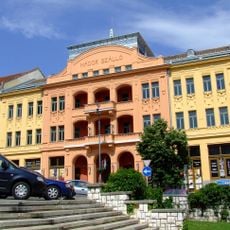
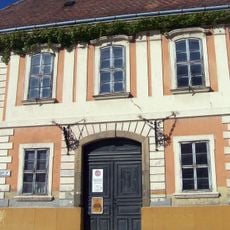
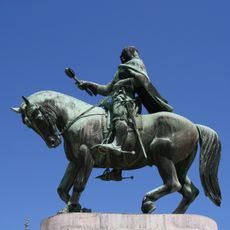
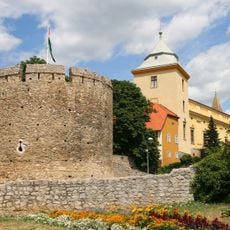
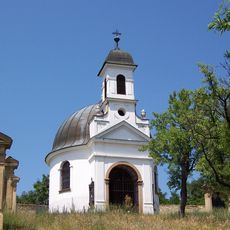
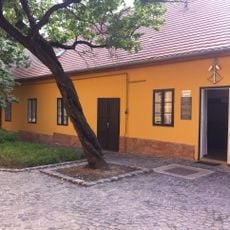
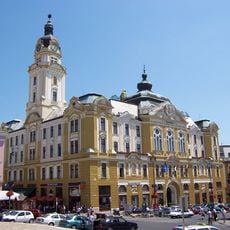
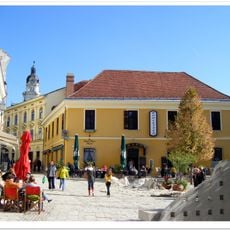
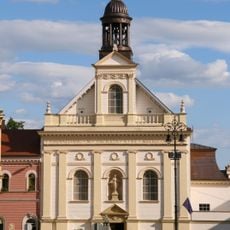
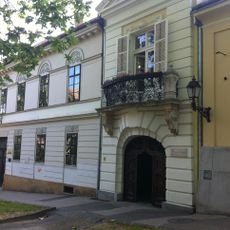
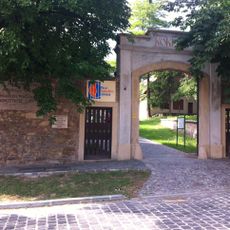
Csontváry Museum, Art museum in Pécs, Hungary.
The Csontváry Museum in Pécs holds the main works of Hungarian painter Tivadar Csontváry Kosztka, featuring large-scale canvases depicting landscapes, religious subjects, and portraits. The collection presents his artistic output from his early period through his most ambitious travel paintings.
The painter died in poverty, but art collector Gedeon Gerlóczy rescued his works from loss and made possible the museum's founding in 1973. This intervention preserved one of Hungary's major artistic legacies for future generations.
The museum's name honours Tivadar Kosztka Csontváry, who painted under that name; the 1973 opening marked the 120th anniversary of his birth. A satirical-mystical crime novel, A Csontváry-kód, avagy nem esik messze a macska a fájától, sets several scenes here, with visitors pursuing forged paintings and even a kidnapping. The permanent display includes Vue de Selmecbánya (1902), Pont romain à Mostar (1903) and Le Cèdre solitaire (1907).
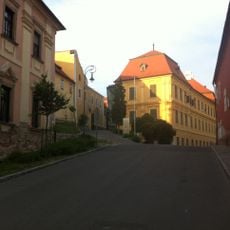
The museum is accessible on foot from central Pécs and located near other cultural venues in the city. Visitors should plan ahead since opening hours may vary and it is helpful to check which exhibitions are currently on display.
The museum's paintings nearly vanished: after Csontváry's death they were put up for auction, and only the intervention of architect Gedeon Gerlóczy brought them to Pécs. A satirical-mystical crime novel, A Csontváry-kód, is partly set in these rooms, with forgery and kidnapping in the plot.
The community of curious travelers
AroundUs brings together thousands of curated places, local tips, and hidden gems, enriched daily by 92,782 contributors worldwide.