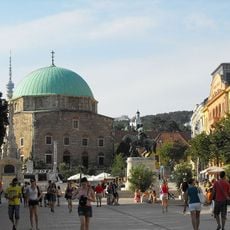
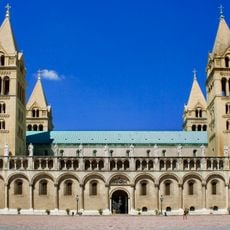
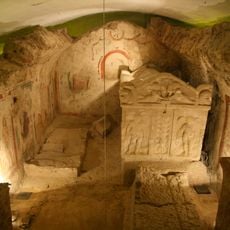
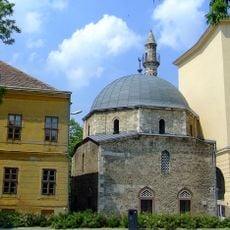
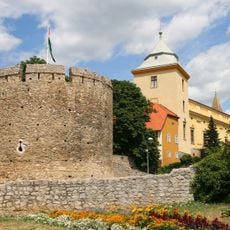
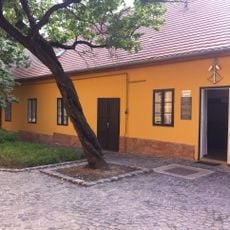
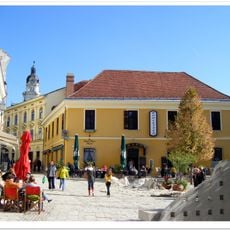
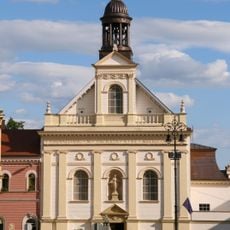
Ruins of Pasha Memi's bath, Ottoman ruins in Pécs, Hungary.
Pasha Memi's bath is an Ottoman-era hammam in Pécs with partially standing walls, barrel vaults, and arches that once enclosed bathing areas. The remnants show how water and heat circulated through the structure via channels built into the stone.
The Turks converted the monastery of the Franciscan church that previously stood here into a bath. A plaque on the monument dates its construction to the third quarter of the 16th century. The Ottoman bath survived until 1880, long after the Memi Pasha mosque was demolished or rebuilt by the Franciscans in the 18th century. In the 1970s the ruins were excavated and opened to visitors.
The bath's name comes from Memi Pasha, the Ottoman governor of Pécs. The 17th-century traveler Evliya Çelebi praised its pleasant building and its bath attendants, whose hands he likened to the sun. The site now displays an exhibition on Turkish baths in Hungary and on the excavation of this bath.
The ruins stand in the central area of Pécs within easy walking distance from other historical sites in the city. The site is open for viewing from ground level so you can observe the stone walls and architectural details without barriers.
The stone walls reveal intricate channels and pipes that carried hot water and steam throughout the building in a carefully planned system. These hidden pathways inside the masonry demonstrate the engineering knowledge that Ottoman builders had for managing heat and water flow.
The community of curious travelers
AroundUs brings together thousands of curated places, local tips, and hidden gems, enriched daily by 94,668 contributors worldwide.