Tell Abu Hawam, Archaeological site near Qishon River estuary in Haifa, Israel
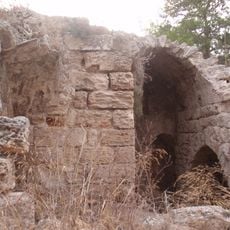
Tell Abu Hawam is an archaeological site in Haifa containing remains of multiple ancient settlement layers, including structures from the Persian period and Late Bronze Age. The exposed ruins show how different cultures built on top of one another at this location.
The settlement arose around 1600 BCE as a port city and fishing village at a crossing of major sea routes. Over the centuries, the location experienced several periods of habitation before it was eventually abandoned.
The site bears traces of an ancient trading hub where people made pottery and produced dyes over many centuries. The discoveries show how craftspeople and merchants came together to create and exchange their goods.
The site sits about 1.5 kilometers from the sea today, as the shoreline has shifted due to sediment deposits and urban changes. Visitors should know this is an open excavation area and access may vary depending on ongoing research activities.
During British excavations between 1929 and 1933, workers found a black-glazed fish plate with Phoenician inscriptions from the 4th or 3rd century BCE. This rare piece shows the kitchen here was shaped by influences from distant lands.
The community of curious travelers
AroundUs brings together thousands of curated places, local tips, and hidden gems, enriched daily by 91,662 contributors worldwide.