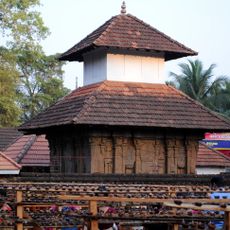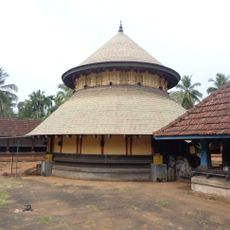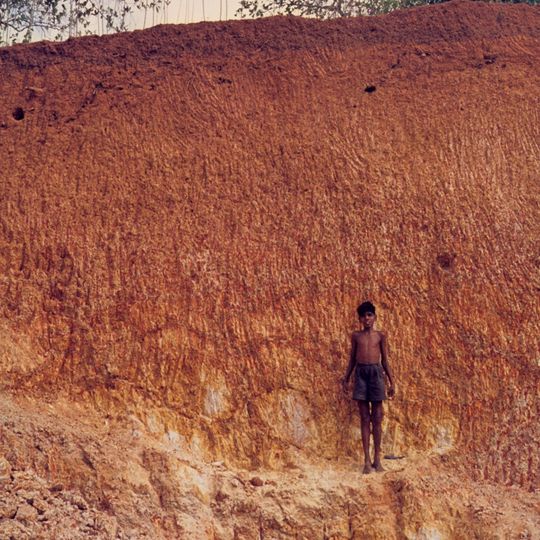
Angadipuram Laterite, National Geological Heritage Monument Site in Malappuram district, India
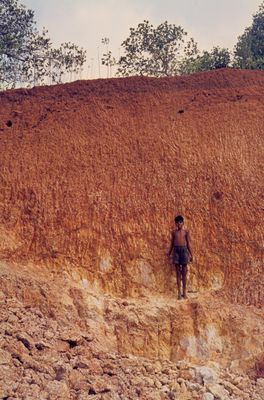
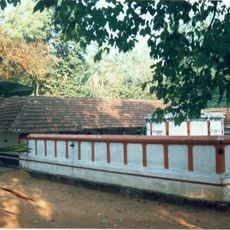
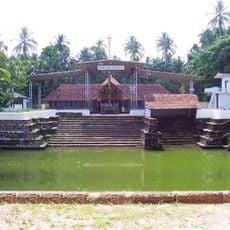
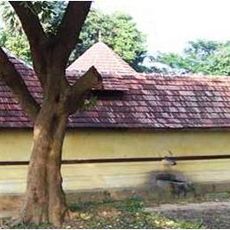
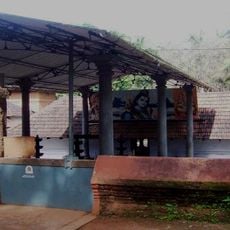
Angadipuram is a geological heritage site in Kerala that displays extensive laterite deposits with pitted surfaces and porous rock formations. The site shows layers of different mineral compositions and serves as an important location for studying weathering processes.
A British naturalist first documented these stone formations in 1807 and coined the term laterite, derived from the Latin word for brick. In 1979, India's geological survey officially recognized the site as a monument, acknowledging its scientific importance.
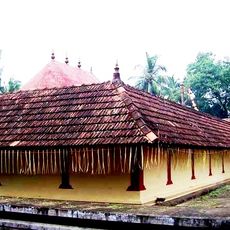
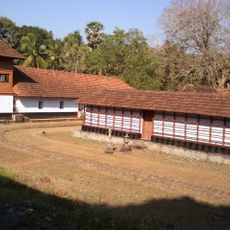
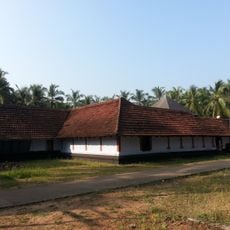
The site's name comes from the reddish laterite stones that local communities have used for construction for generations. Walking through the area, you notice how buildings and structures incorporate these natural materials into their design.
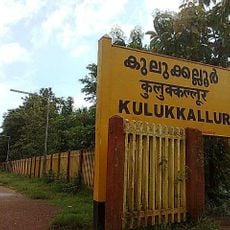
The site is reachable from major cities in the region with reasonable travel time and lies near railway connections. Visitors should wear sturdy shoes as the ground is uneven and pathways may be unpaved in places.
The laterite layers here formed from different parent rocks and differ noticeably from those in other regions. This variety makes the site a valuable comparison point for geologists studying different weathering and mineral transformation processes.
The community of curious travelers
AroundUs brings together thousands of curated places, local tips, and hidden gems, enriched daily by 60,000 contributors worldwide.