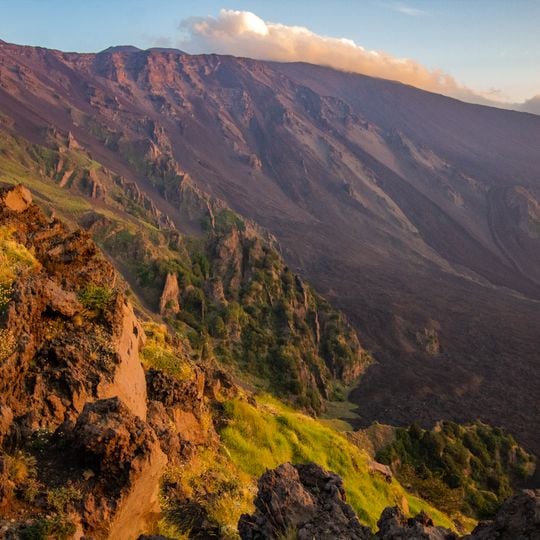
Etna Park, Regional park in eastern Sicily, Italy.
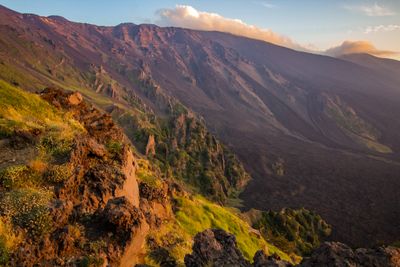
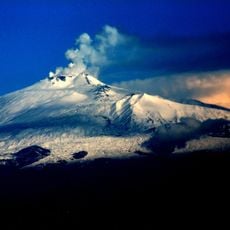
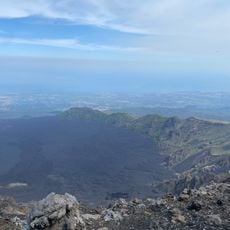
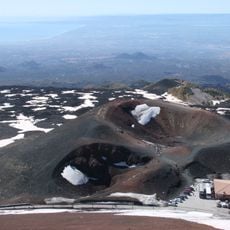
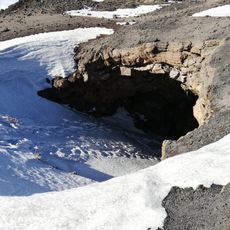
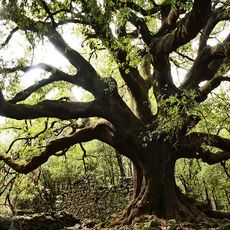
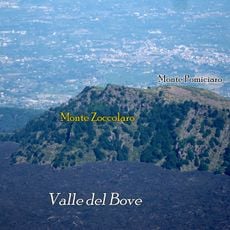
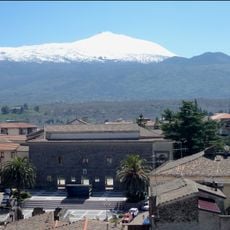
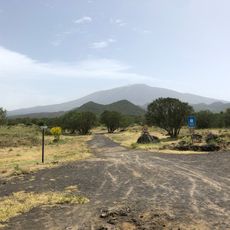
Etna Park is a protected area covering 58,000 hectares that extends from lower slopes to the snow-capped summit region. It contains volcanic craters, dark lava fields, dense forests of chestnuts and birches, and alpine meadows at higher elevations.
The protected area was established in 1987 to safeguard the geological formations and biodiversity surrounding Europe's largest active volcano. This decision acknowledged the need to shield the landscape from intensive use while allowing sustainable activities to continue.
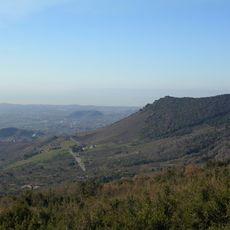
Communities in the lower zones have farmed wine, hazelnuts, and citrus for centuries using the nutrient-rich volcanic soil. You will notice vineyards and orchards dotting the landscape, deeply woven into daily life and local food traditions.
The park is divided into four zones, with Zone A closed to visitors to protect sensitive habitats. Zones B, C, and D allow hiking, agriculture, and other activities with varying restrictions based on proximity to the summit.
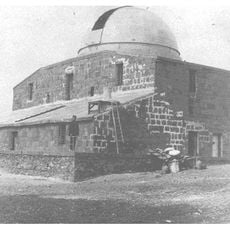
The area serves as a research hub for studying volcanic phenomena, with scientists examining rare plant species that thrive on lava flows of different ages. This adaptation of plant life makes it possible to understand how living things colonize volcanic ground over time.
The community of curious travelers
AroundUs brings together thousands of curated places, local tips, and hidden gems, enriched daily by 91,716 contributors worldwide.