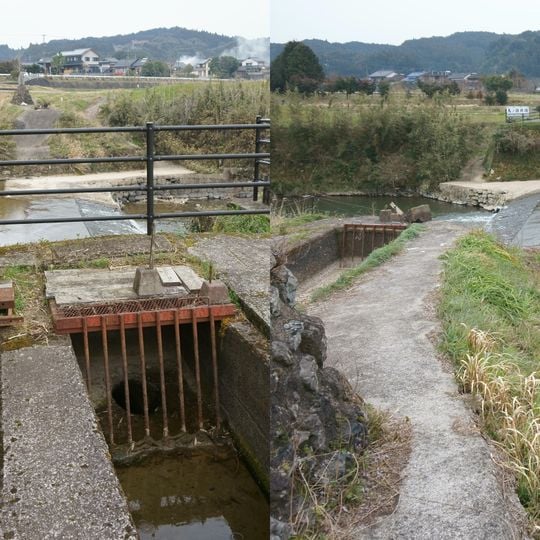
馬頭水利設施, Civil engineering heritage site in Imari, Japan.
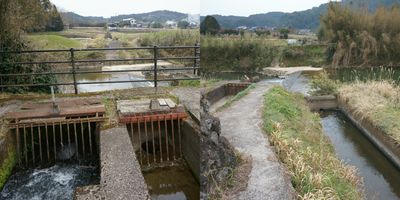
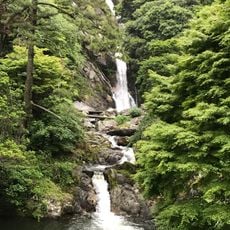
The Mato Siphon is a water facility in Imari that carries water through underground pipes at different elevations across valleys and depressions. The system connects source areas with irrigation canals in lower zones using a carefully designed pipe network.
This structure was developed to improve agricultural irrigation in the region and reflects advances in Japanese engineering methods during the 1800s. It represents an important chapter in how traditional solutions opened up valley landscapes for farming.
The Japan Society of Civil Engineers honors this structure as an important example of how water could be reliably directed to fields through underground pipes to support farming. It demonstrates traditional techniques that allowed communities to manage water distribution without mechanical equipment.
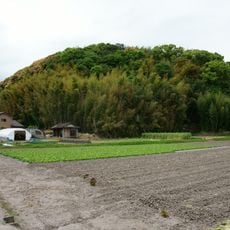
Access to the site is possible, though much of the system lies below ground, so viewing points are limited. Walking around the lower canals and downstream areas offers the best chance to appreciate how this engineering works.
The system operates without pumps or mechanical power, relying only on gravity and elevation differences to move water reliably over distance. This passive method was groundbreaking when conventional ways of lifting water were labor-intensive and unreliable.
The community of curious travelers
AroundUs brings together thousands of curated places, local tips, and hidden gems, enriched daily by 91,834 contributors worldwide.