Tōzan Shrine, Shinto shrine in Arita, Japan
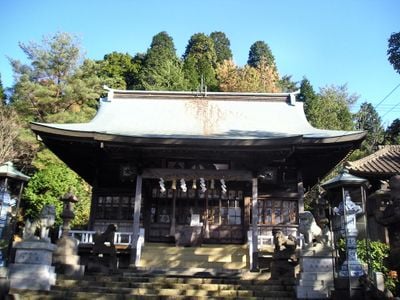
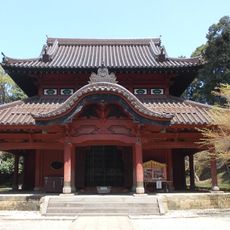
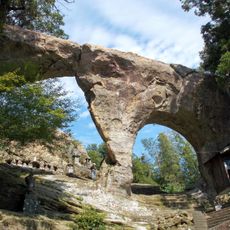
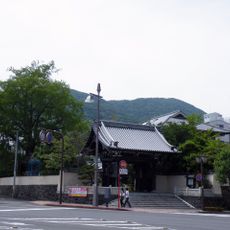
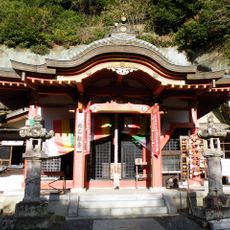
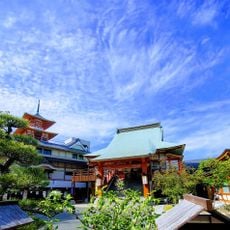
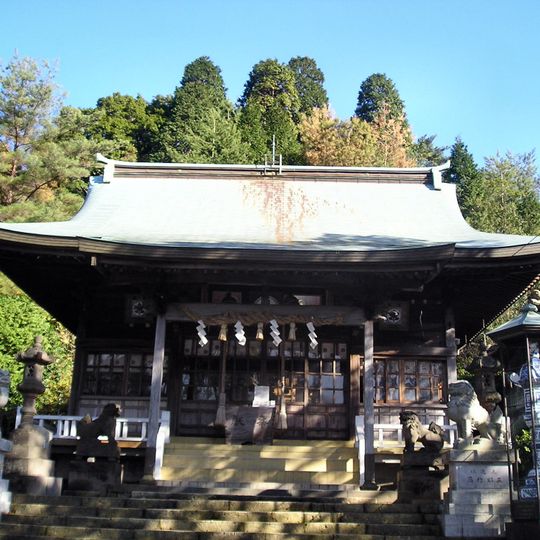
Tōzan Shrine is a Hachiman shrine perched on a hillside above Arita with views across the town, featuring traditional East Asian hip-and-gable roofs and copper guardian lion-dogs at its entrance. The sanctuary sits elevated, requiring visitors to climb steep stairs to reach the main buildings and ritual purification basins.
The sanctuary was founded in 1658 and originally known as Arita Sarayama Sōbyō Hachimangū, dedicated to Emperor Ōjin and the lord Nabeshima Naoshige. Its establishment coincided with the arrival of Korean potters who were settled in the region to develop Arita's porcelain industry.
The shrine holds deep meaning for local ceramicists, with a memorial honoring Yi Sam-pyeong that reflects the Korean craftsmen's role in shaping the region's pottery tradition. Visitors notice how this sacred place remains intertwined with the town's identity as a porcelain center.
The shrine is accessible only by a long staircase, so visitors should wear comfortable shoes with good grip. The best time to visit is early morning or late afternoon when fewer people are around and the light feels more pleasant for exploring.
The shrine houses Japan's only torii gate made of porcelain, built in 1888 and later designated as a Tangible Cultural Property. This unusual gate showcases the special bond between the sanctuary and Arita's porcelain industry, as it is crafted from the material that made the town famous.
The community of curious travelers
AroundUs brings together thousands of curated places, local tips, and hidden gems, enriched daily by 91,289 contributors worldwide.