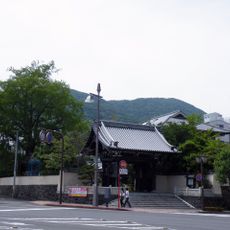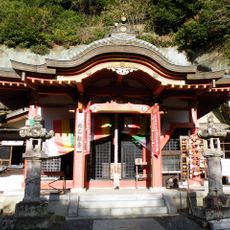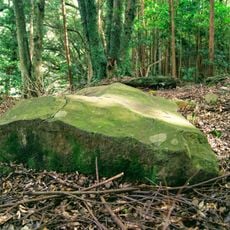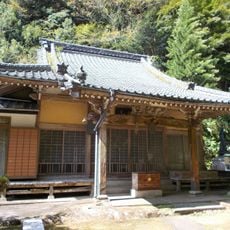
Senpukuji Cave, Archaeological cave in Setogoshi, Japan
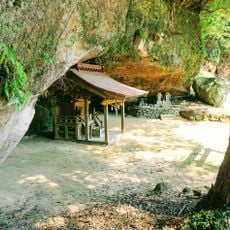
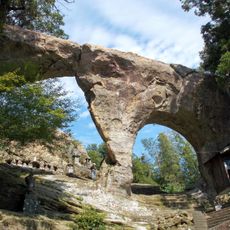
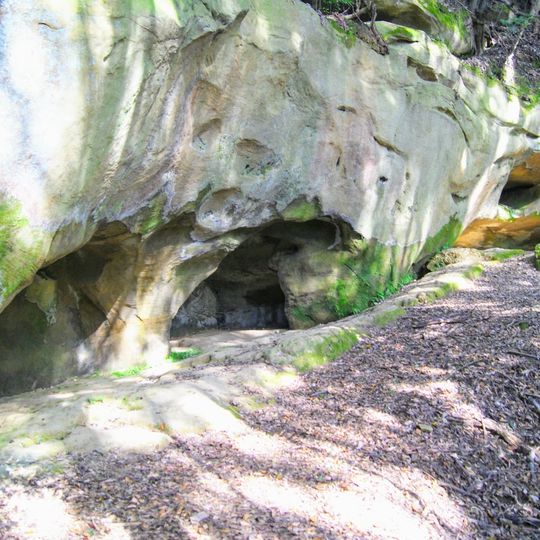
Senpukuji Cave is an archaeological site in Sasebo containing four small rock shelters that face south on a hillside, positioned about 89 meters above the Ainoura River valley. The cave system shows distinct layers in its soil, with each layer holding artifacts from different prehistoric periods.
The cave was discovered in 1969 by a junior high school student, triggering extensive excavations that uncovered thousands of tools made by ancient peoples. The layered deposits show that people visited and used this location repeatedly over many thousands of years.
The site bears the name Senpukuji, meaning "hidden temple," and represents a key location for understanding early human settlement patterns in the region. The cave opening faces south and overlooks the river valley, suggesting why ancient people chose this sheltered location for their activities.
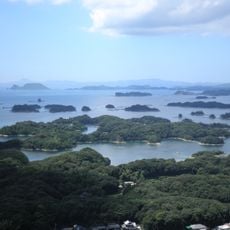
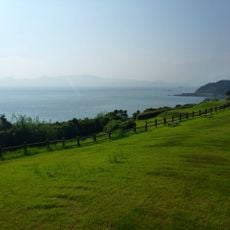
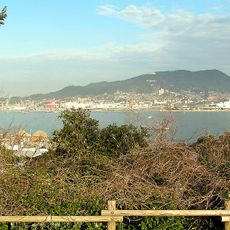
The site is easy to reach on foot from Senpukuji Station and offers good views of the surrounding landscape. Visitors should wear sturdy shoes and check weather conditions, as the slope can be steep and cave conditions vary with the season.
The site holds pottery with distinctive bean-pattern designs that dates back around 12,000 years, representing one of Japan's earliest ceramic traditions. This ancient earthenware reveals that people had developed the ability to create storage vessels much earlier than previously thought.
The community of curious travelers
AroundUs brings together thousands of curated places, local tips, and hidden gems, enriched daily by 90,792 contributors worldwide.