Uki-Kunden Site, Archaeological site in Karatsu, Japan
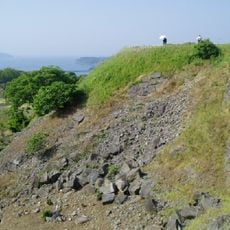
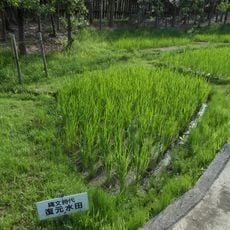
The Uki-Kunden Site is an archaeological location containing burial grounds with large storage vessels and metal objects from the middle Yayoi period. The area reveals that people living there practiced early forms of rice farming alongside their burial traditions.
Excavations in the 1960s uncovered around 60 bronze objects and hundreds of burnt grain seeds from the 9th century before present. These discoveries marked an important moment in understanding how early farming societies developed in the region.
The site shows how burial practices changed over time as communities developed new ways of honoring their dead. Visitors can see how these methods reflected shifts in how people organized their settlements and daily lives.
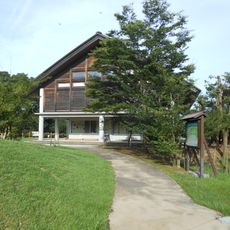
The site is accessible and marked with informational signs that explain the findings and layout of the burial grounds. Visit during daylight hours and bring water, as the open area offers little shade and the ground can be uneven.
Burnt grain seeds were found within the burial complexes here, which is uncommon at sites from this era. This discovery provided direct evidence of what crops people cultivated during a time of significant cultural change.
The community of curious travelers
AroundUs brings together thousands of curated places, local tips, and hidden gems, enriched daily by 90,878 contributors worldwide.