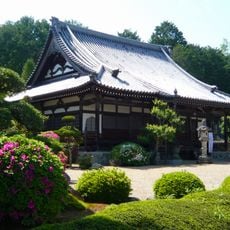
中井家住宅, Registered cultural property in Gose, Japan.
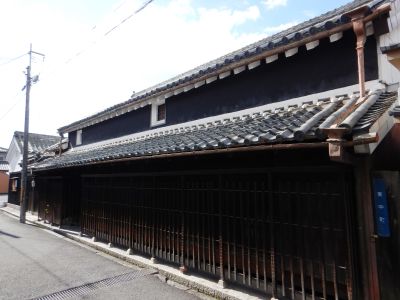
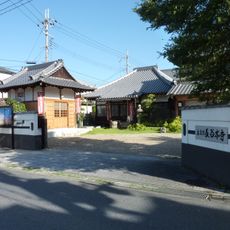
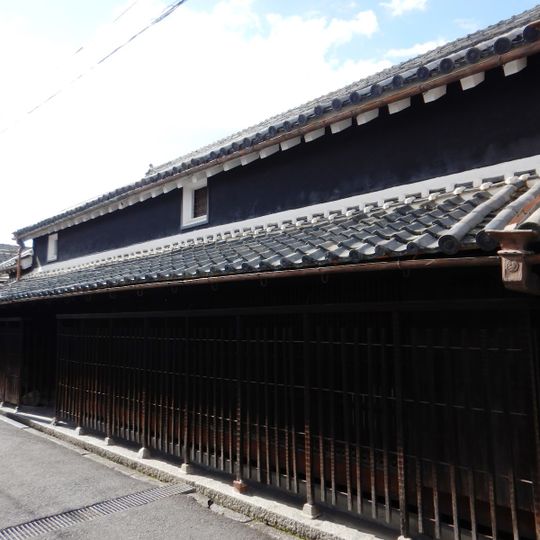
The Nakai Residence is a traditional merchant house built in 1792 with black plaster walls on the upper floor that contrast with white plaster details and rough lattice work at the entrance. The building displays the typical construction methods and materials used for homes of its era and social class.
The house was built in 1792 as a home for a wealthy merchant family and received additional structures during the 19th century. The family held administrative responsibilities in the town between 1820 and 1842, giving the residence importance beyond its domestic role.
The residence preserves approximately one thousand historical documents from the Edo period that reveal how a merchant family managed local affairs and lived daily life. These papers show the connections between commerce, administration, and household routines in this part of Japan.
The building sits about six minutes on foot from Gose Station and is accessible by a straightforward walk. Since it remains a private home, visitors can only view the exterior facade, and interior access is not permitted.
The property actually consists of three separately protected buildings: the main house from 1792, a reception hall built during the Meiji period, and a storehouse from 1916. Together these structures show how both architecture and purpose evolved across more than a century.
The community of curious travelers
AroundUs brings together thousands of curated places, local tips, and hidden gems, enriched daily by 92,605 contributors worldwide.