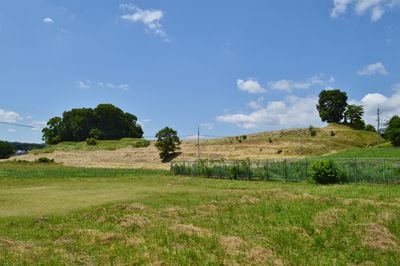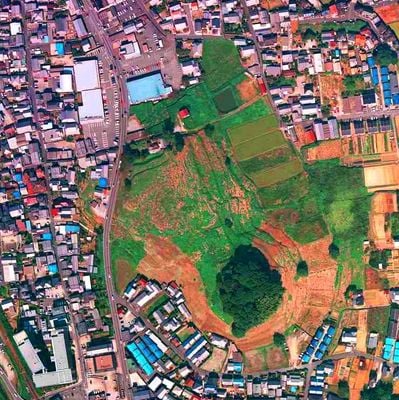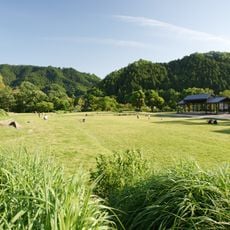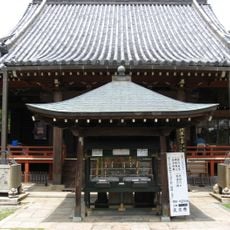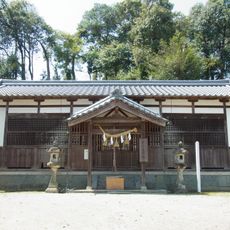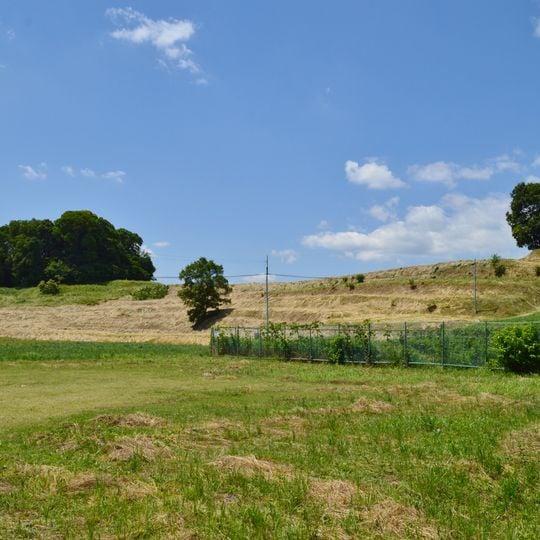
Maruyama Kofun, Keyhole-shaped kofun in Kashihara, Nara Prefecture, Japan
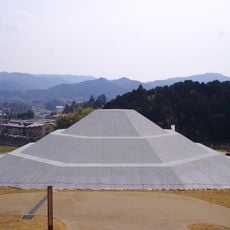
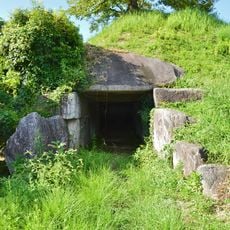
Maruyama Kofun is a keyhole-shaped burial mound in Kashihara with a length of 320 meters, making it the largest of its kind in Nara Prefecture. Underground, a chamber extending 28.4 meters holds two stone coffins carved to resemble houses from the ancient Kofun period.
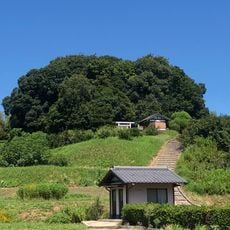
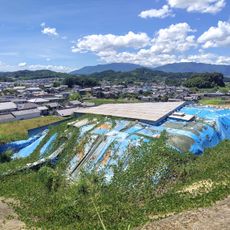
Built in the late 6th century, Maruyama Kofun is Nara Prefecture's largest keyhole-shaped tomb, measuring 318 m long with a 155 m rear mound. It is considered the last great tomb of an emperor. In 1880, the discovery of the Abukinoyama-ryōki led to the tomb being removed from the imperial mausoleum list; part of the rear mound remains an imperial reference site, while the rest is a national historic site.
The name Maruyama, "round mountain", comes from the mound having long been taken for a simple round tomb. Locals still call it Maruyama rather than Mise Maruyama, since the rear circle lies in Gojōno and the front in Ōkaru. The rear top is fenced as an imperial mausoleum reference site for Emperors Tenmu and Jitō.
The site is walkable from two nearby train stations: around 4 minutes from Kintetsu Okadera Station or about 13 minutes from Kintetsu Kashihara Jingu-mae Station. Since it is an outdoor location, wear appropriate clothing for the season and bring sun protection on clear days.
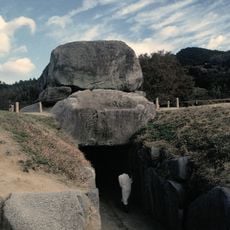
The underground burial chamber reaches 28.4 meters in length, making it one of the longest known chambers among all ancient Japanese tombs. This exceptional length hidden beneath the surface reveals how much effort and resources went into the invisible parts of the monument.
The community of curious travelers
AroundUs brings together thousands of curated places, local tips, and hidden gems, enriched daily by 95,454 contributors worldwide.