Kawara-dera, Buddhist temple ruins in Asuka, Nara Prefecture, Japan
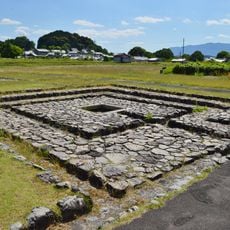
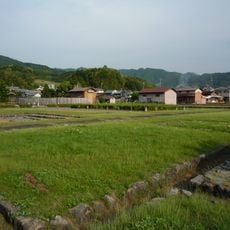
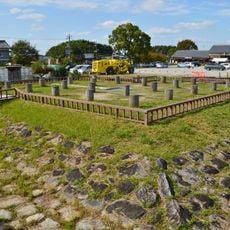
Kawara-dera is a Buddhist temple ruin in Asuka featuring preserved foundation stones and a pagoda base that show the original symmetrical design with one pagoda and two golden halls. The excavated site contains remains that document the structure and significance of this important national sanctuary from ancient times.
The temple complex was built during the Asuka period by Emperor Tenji to honor his mother Empress Saimei. It stood as one of four national temples and played a central role in Japan's early Buddhist establishment.
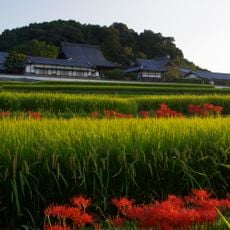
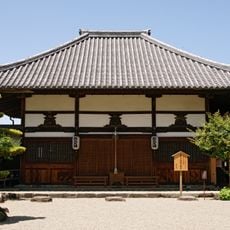
The temple's name appears suddenly in the Nihon Shoki entry for 673, which records that scribes were gathered there to copy the entire Buddhist canon — the first such project noted in Japan. The present Gufuku-ji, built on the central hall's site in the mid-Edo period, houses wooden standing statues of Jikoku-ten and Tamon-ten from the early Heian period, designated Important Cultural Properties.
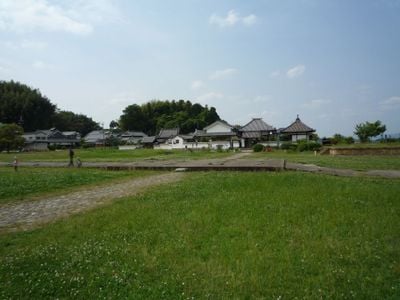
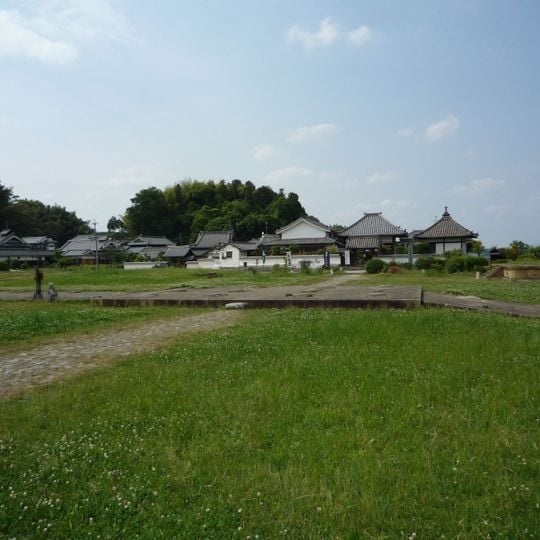
The site is an open grassy field where the former South Gate, Middle Gate and cloisters are marked out on the ground, with a gravel path leading to the central platform. The foundation stones of the Central Main Hall remain in place. Gufuku-ji, the temple that succeeded Kawara-dera, stands on the site of that hall.
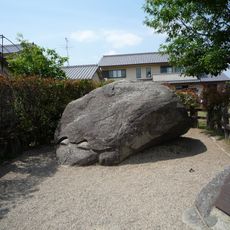
In 673, scribes gathered at Kawara-dera to copy the entire Buddhist canon, the first recorded project of its kind in Japan. The temple's foundation stones include marble blocks in the Central Main Hall, a material otherwise unknown in Japanese temple foundations; temple tradition calls them agate, but that is incorrect.
The community of curious travelers
AroundUs brings together thousands of curated places, local tips, and hidden gems, enriched daily by 93,241 contributors worldwide.