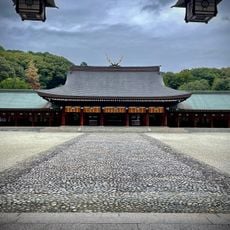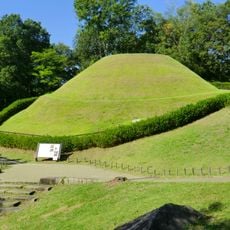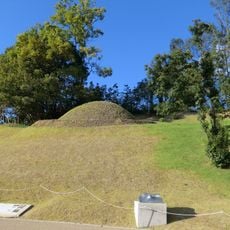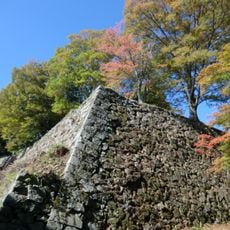
Asuka, Ancient imperial village in Takaichi district, Japan
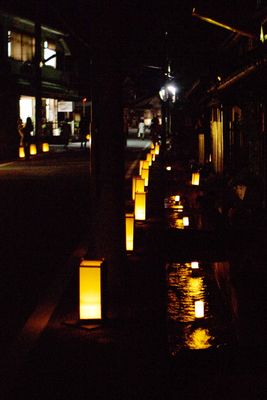
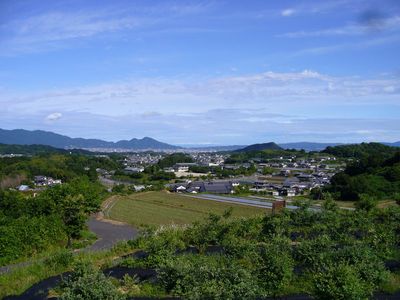
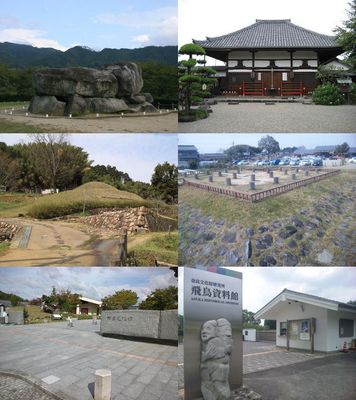
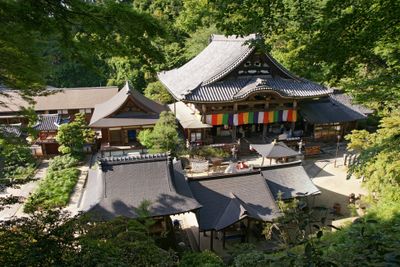
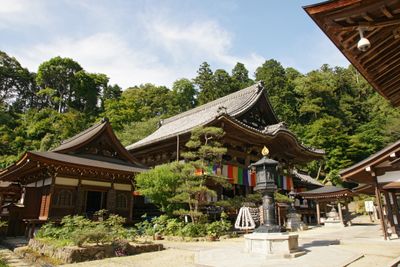
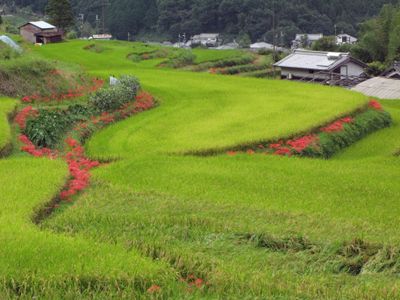
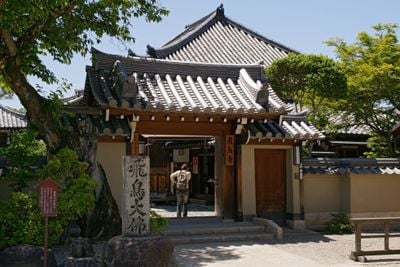
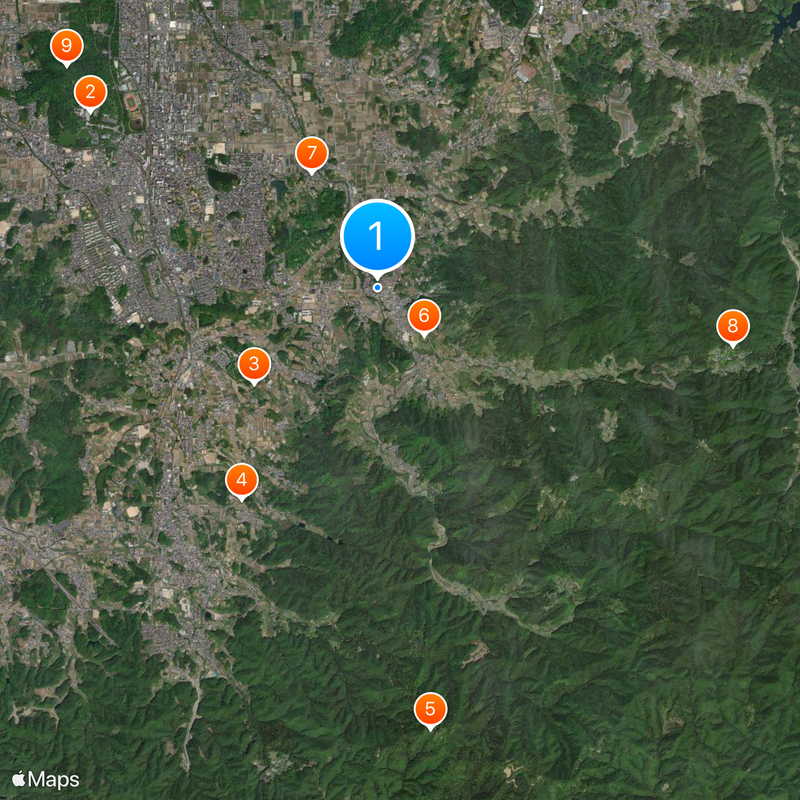
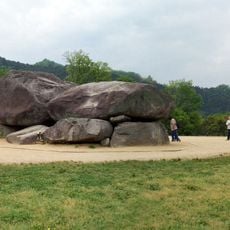
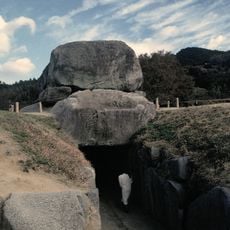
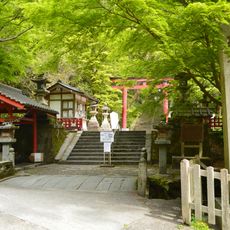
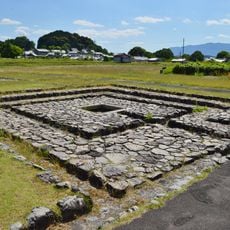
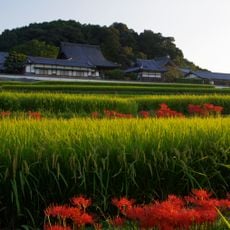
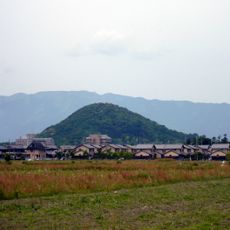
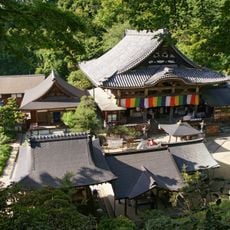
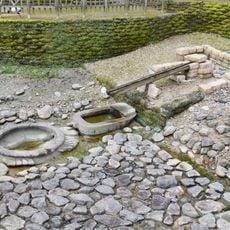
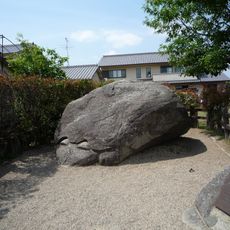
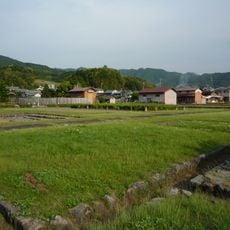
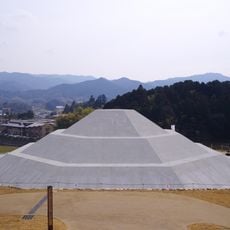
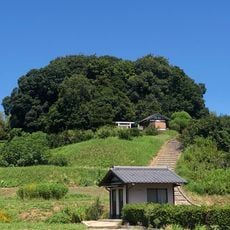
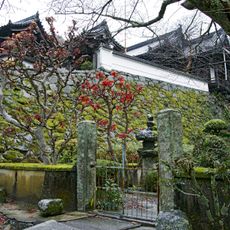
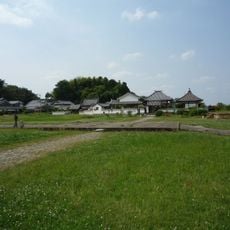
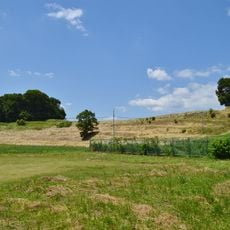
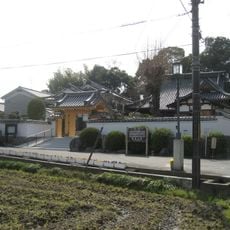
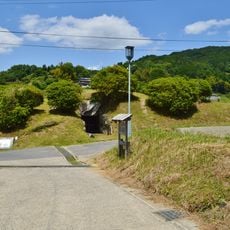
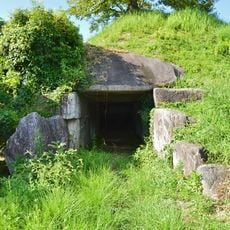
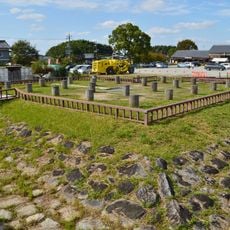
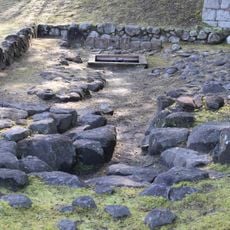
The village spreads across gently rolling terrain with rice terraces and Buddhist temples set among the fields. Several stone monuments and burial mounds lie scattered throughout the landscape, connected by country paths.
Between the 6th and 8th centuries this place served as the seat of imperial government and witnessed the introduction of Buddhism from Korea. After 710 the center of power shifted to Nara, and the village returned to a rural settlement.
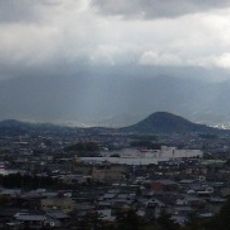
The name refers to an archaic word for a place where birds flutter, reflected in the gentle rolling hills. Today visitors see rice farmers working on terraces that have been cultivated for centuries and shape the rhythm of village life.
Access is via the Kintetsu line to the station, where bicycles can be rented to reach the scattered sites. Most paths are flat and run through fields, suitable for leisurely cycling over several hours.
Local building regulations protect the archaeological remains beneath the ground, preventing almost any new house construction. This has kept the appearance of the farmland largely unchanged, looking much as it did centuries ago.
The community of curious travelers
AroundUs brings together thousands of curated places, local tips, and hidden gems, enriched daily by 90,758 contributors worldwide.