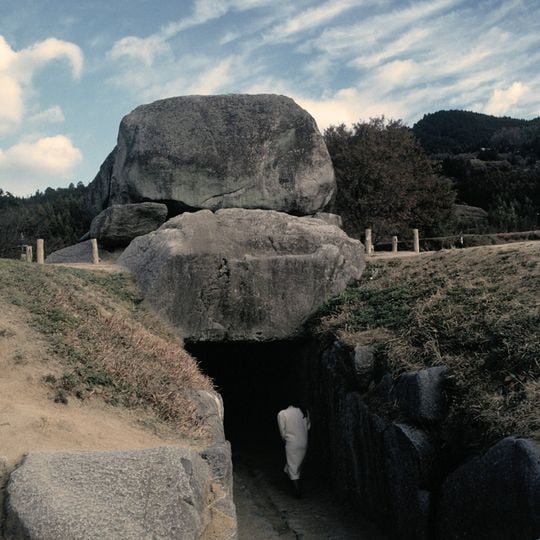
Asuka, Archaeological complex in Takaichi district, Japan
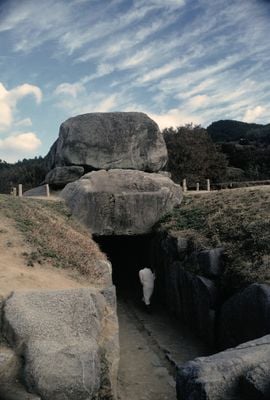
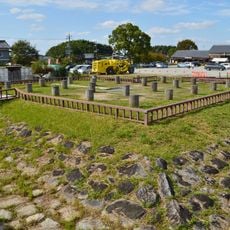
Asuka is an archaeological site in Takaichi district, Japan, that spreads over several kilometers through a rural valley. The remains include palace foundations, ceremonial platforms, temple ruins and carved stone blocks from the 6th and 7th centuries.
Between 593 and 710, the area served as the imperial capital and center of political power during a phase of profound social change. During this time, Buddhist monasteries were built and Chinese administrative structures were adopted.
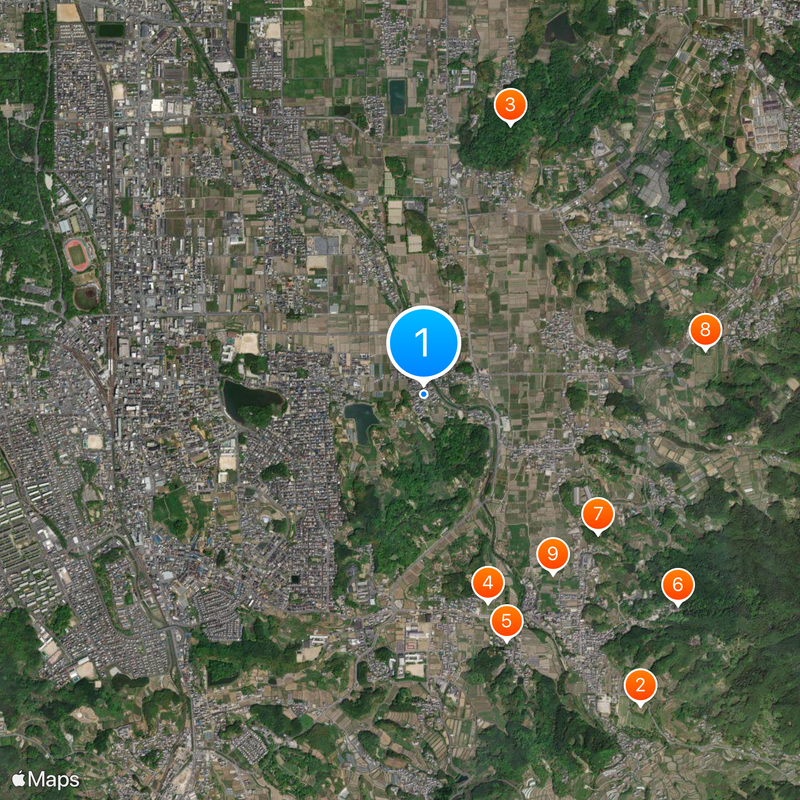
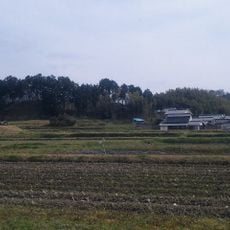
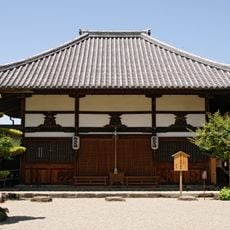
The name comes from the period of Japanese history it represents and now describes a wide area with temples, tombs and stone sculptures. Visitors move through rice paddies and small villages where Buddhist monuments stand beside fields still worked today.
The sites lie scattered across the valley and are best reached by bicycle, which can be rented at the train station. A visit requires several hours, as distances between individual ruins are considerable.
The Masuda No Iwafune is a huge granite block over 11 meters (36 feet) long with precise rectangular recesses whose purpose remains unclear today. Some stone monuments show traces of work that suggest the use of advanced tools.
The community of curious travelers
AroundUs brings together thousands of curated places, local tips, and hidden gems, enriched daily by 91,697 contributors worldwide.