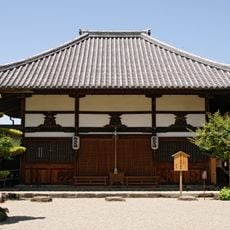
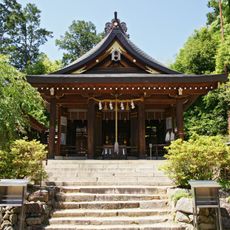
Asuka-kyō Ruins, Archaeological site in Asuka, Japan
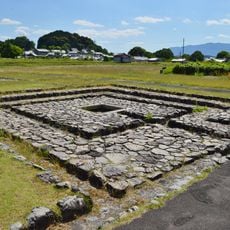
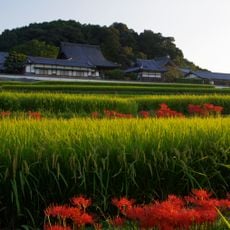
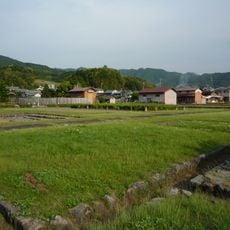
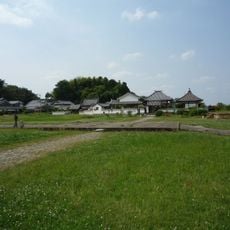
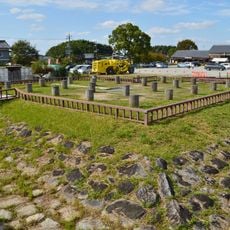
The Asuka-kyō Ruins are remains of Japan's first imperial capital with palace, temple, and administrative building foundations scattered across several excavation zones. These structures from the 6th to 8th centuries reveal how early Japanese settlements were organized with planned construction.
The city emerged in the 6th century as a seat of early Japanese emperors and served as a power center for roughly 170 years before the government moved to Nara. This period transformed Japan from competing clans into a centralized state.
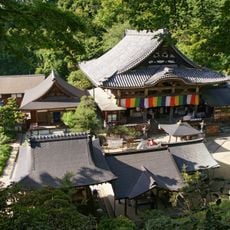
The excavated remains reveal how Buddhism took root in early Japan, with temple foundations showing religious practices alongside governmental structures of that era. The layout demonstrates how spiritual and administrative life were deeply interconnected during these formative centuries.
The excavations spread across large areas, so wearing comfortable shoes and allowing time to explore multiple zones is recommended. Marked pathways connect the different sites with information boards explaining each excavation area.
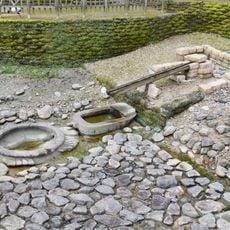
The site yielded remains of one of Japan's earliest water clocks, a technological achievement that shows how advanced early rulers were in their innovations. This discovery reveals that such engineering knowledge existed centuries before similar developments elsewhere.
The community of curious travelers
AroundUs brings together thousands of curated places, local tips, and hidden gems, enriched daily by 90,879 contributors worldwide.