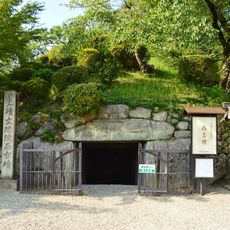
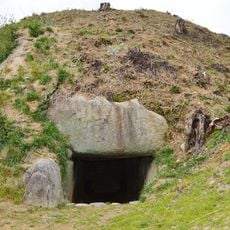
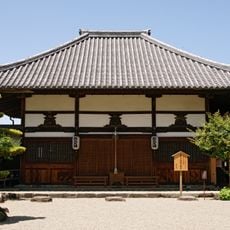
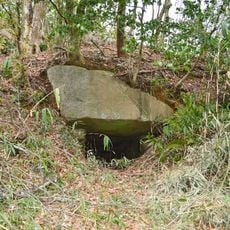
Shōrin-ji, Buddhist temple in Sakurai, Japan.
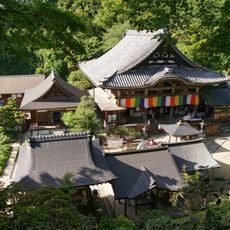
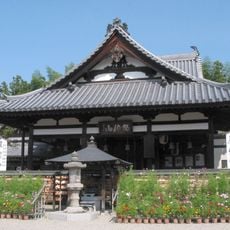
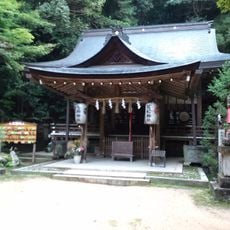
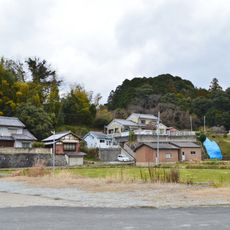
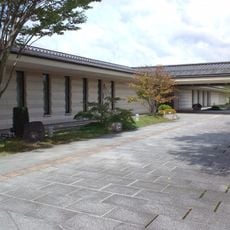
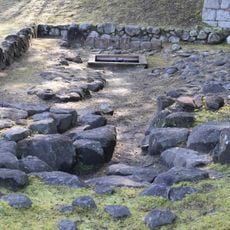
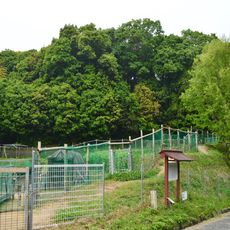
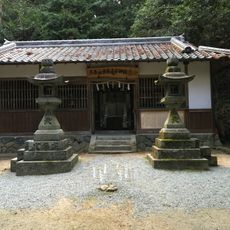
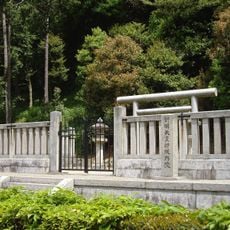
Shōrin-ji is a Shingon-shū Murō-ji-ha temple on a slope south of central Sakurai, with stone retaining walls supporting its buildings. Its main hall (hon-dō) dates from the mid-Edo period and enshrines a stone Jizō. The Kannon Hall (Kannon-dō), built in 1959, is Japan's first reinforced-concrete repository for Buddhist statues and houses the temple's Eleven-faced Kannon.
The temple was founded in 712 by Jōe, son of the influential Fujiwara no Kamatari, and experienced several reconstructions following fires during the late Heian and Edo periods. These cycles of destruction and rebuilding shaped its architectural history.
The National Treasure here is a dry-lacquer Eleven-faced Kannon 209.1 cm tall, moved from Ōmiwa-dera when the Meiji separation of Shinto and Buddhism broke up that shrine-temple. Ernest Fenollosa praised it, and Watsuji Tetsurō called it the finest Tenpyō sculpture in Koji junrei (1919); some scholars, such as Machida Kōichi, dispute that ranking. The temple's own honzon is a stone Jizō, known as Koyasu Enmei Jizō and visited for prayers for children.
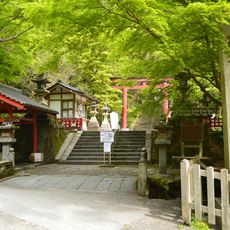
From Sakurai Station on the JR Sakurai Line or Kintetsu Osaka Line, take the Sakurai community bus (Tōnomine Line, bound for Tanzan Shrine) and get off at Shōrin-ji-mae, then walk about five minutes. The grounds stand on a slope, with stone retaining walls supporting the buildings above. Viewing runs from 9:00 to 16:30.
The temple's main image is not the National Treasure Kannon but a stone Jizō Bodhisattva, a coloured Edo-period figure known as Koyasu Enmei Jizō and visited by people praying for children. The Kannon Hall that houses the famous statue was built in 1959 and is described as Japan's first reinforced-concrete storehouse for temple treasures.
The community of curious travelers
AroundUs brings together thousands of curated places, local tips, and hidden gems, enriched daily by 93,440 contributors worldwide.