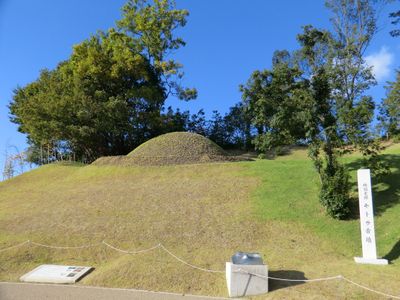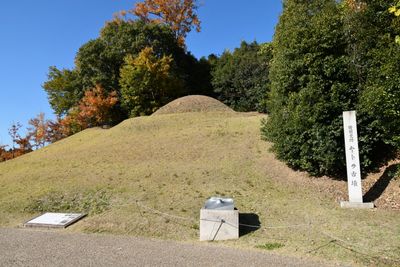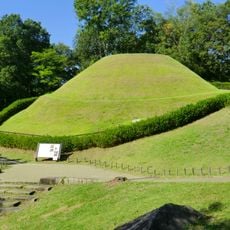
Kitora Tomb, Ancient burial mound in Asuka, Japan
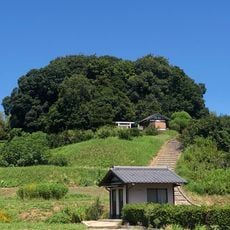
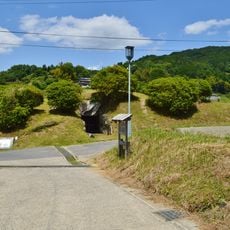
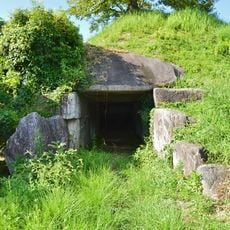
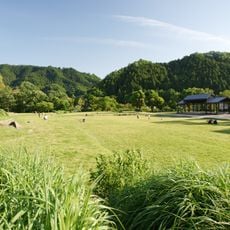
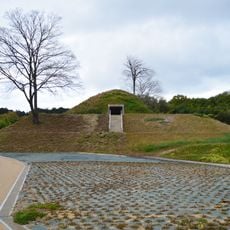
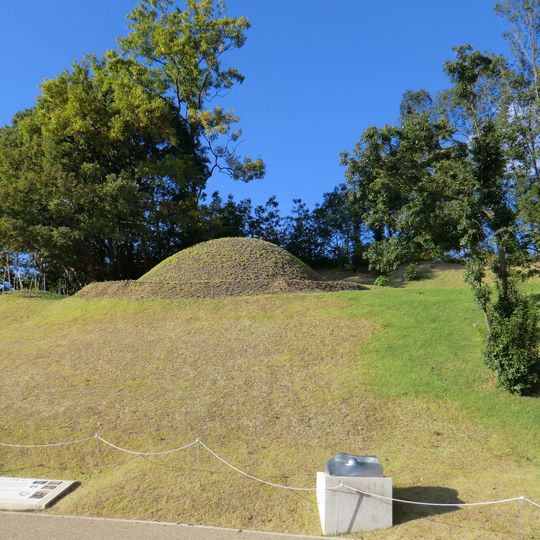
The Kitora Tomb is a circular burial mound in Asuka, Japan, containing a small stone chamber with colored wall paintings inside. The chamber itself measures about 1 meter wide and 2.4 meters long, surrounded by an earthen mound roughly 14 meters in diameter.
This burial mound was built between the late 7th and early 8th centuries as one of the final examples of kofun culture in Japan. The site was discovered by chance in 1983 when villagers attempted to repair damage to the mound structure.
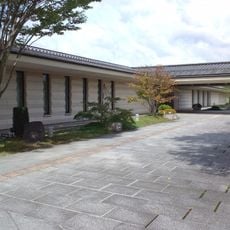
The painted interior walls show the four mythical guardian animals of the cardinal directions, while the ceiling constellations reflect an early medieval world view shaped by Chinese traditions. Visitors today experience a carefully crafted replica that reconstructs the chamber interior with all the wall paintings and animal figures.
Reservations for viewing are required through the nearby experiential museum, as the original site remains closed to protect the paintings. Access to the full replica chamber is available to visitors throughout the year and shows all the details of the paintings and room layout.
The ceiling star chart shows 68 constellations and is considered the oldest surviving astronomical depiction in East Asia. The paintings survived the centuries thanks to the moisture-resistant properties of volcanic rock from the Fuji area.
The community of curious travelers
AroundUs brings together thousands of curated places, local tips, and hidden gems, enriched daily by 91,529 contributors worldwide.