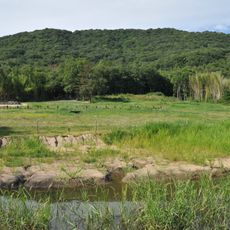
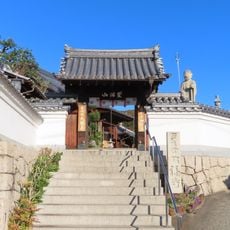
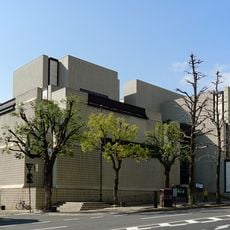
朝寝鼻貝塚, Archaeological shell mound in Kita-ku, Japan.
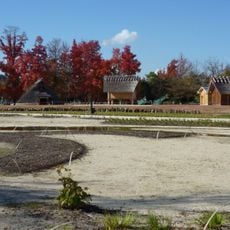
The Asanebana Shell Mound is an archaeological site where shells, animal bones, and pottery have accumulated in layers along what was once the shoreline. The deposit extends several meters deep and records thousands of years of human occupation.
The site was first occupied during the early Jomon period around 6000 years ago as a coastal settlement. Layers continued to build up over time until the mound eventually became buried beneath modern ground level.
The site reveals how Jomon communities gathered seafood and organized their meals from what the ocean offered. The shells show which waters they fished and what foods were important in daily life.
The site is accessible by local bus and interpretive panels at the location explain the excavation findings. Take time to read the information carefully to understand how archaeologists read the different layers.
Researchers uncovered fossilized rice cells at this location, marking the earliest known evidence of rice farming in the country. This discovery suggests residents were not only fishing but also beginning to cultivate crops.
The community of curious travelers
AroundUs brings together thousands of curated places, local tips, and hidden gems, enriched daily by 90,977 contributors worldwide.