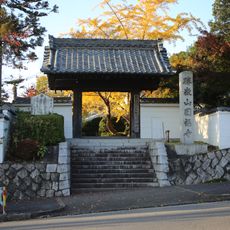
Jōkō-ji, Buddhist temple in Seto, Japan.
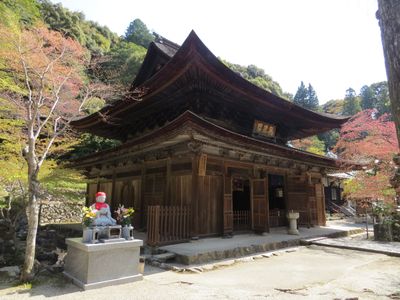
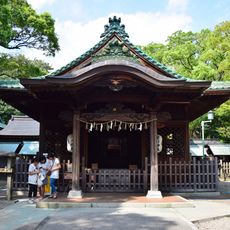
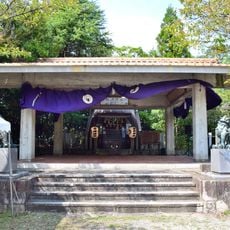
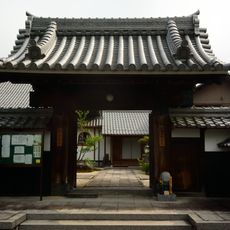
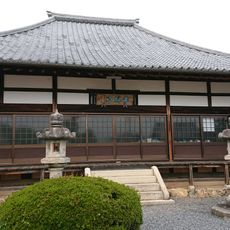
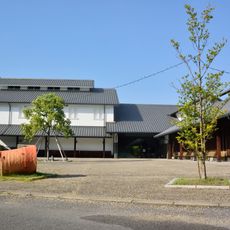
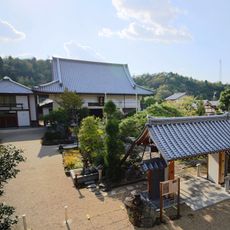
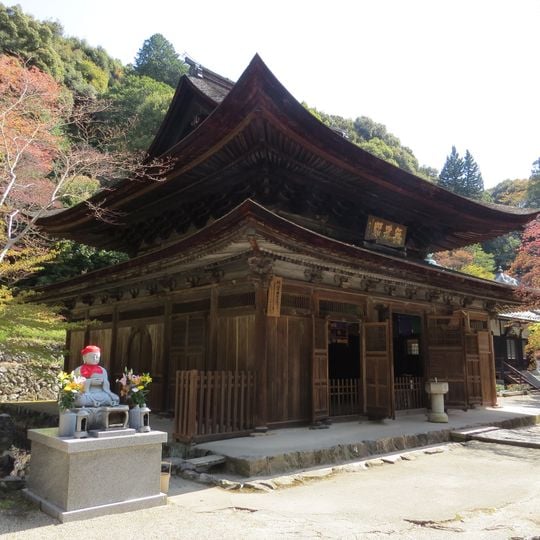
Jōkō-ji is a Zen temple featuring a traditional wooden main hall topped with layered curved roofs and set within carefully designed gardens. The complex is adorned with stone lanterns and reflects classical Japanese temple architecture, with structures arranged in a balanced layout centered on the main building.
The temple was founded in 1336 by Zen master Kakugen and became an important site in the region's Buddhist landscape. By the 17th century, it had become the burial place for the Owari Tokugawa clan, elevating its status during the Edo period.
The temple serves as an active center for Rinzai Zen Buddhism, where visitors can observe and participate in traditional meditation practices. The daily routines of monks and regular ceremonies shape the rhythm of this place and offer insights into how this spiritual tradition functions in modern times.
The temple is accessible by walking or using local buses, making it fairly easy to visit even without a car. It helps to check ahead whether special events or meditation sessions are happening to plan your visit at the best time.
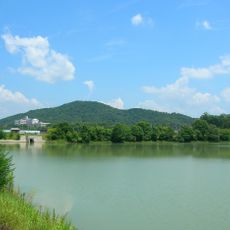
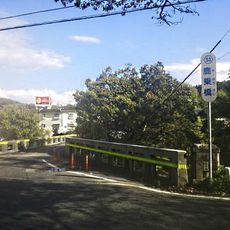
The temple grounds contain a granite bridge built in 1653 that spans a lotus pond and survives to this day. This structure is a valued architectural element that many visitors overlook, yet it creates a quiet spot on the grounds that invites you to pause and linger.
The community of curious travelers
AroundUs brings together thousands of curated places, local tips, and hidden gems, enriched daily by 60,000 contributors worldwide.