Fukagawa-jinja, Shinto shrine in Japan
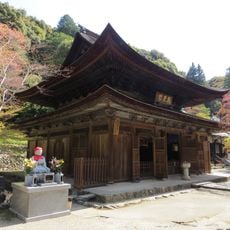
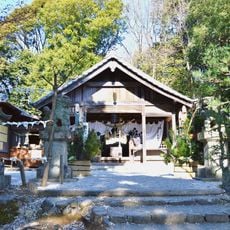
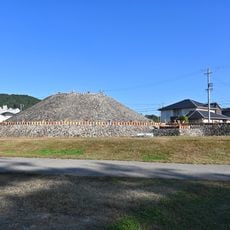
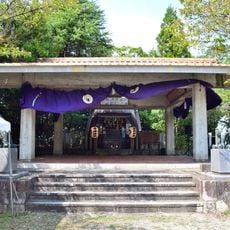
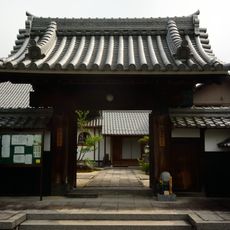
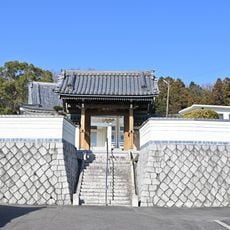
Fukagawa-jinja is a Shinto shrine in the Fukagawa-chō district of Seto, Aichi Prefecture. Its grounds hold a horizontal-entry round burial mound, and the main hall was built in the Bunka era by the Suwa carpenter Tachikawa Washirō. Three torii mark the approach: the first, at the path entrance, was rebuilt in 2014 after the 1915 original was removed in 2000.
The shrine was founded around 771, making it a part of local life in this area for well over a thousand years. The main buildings standing today were put up in the early 1800s and have not changed much since then.
The shrine is closely tied to pottery, the craft that has shaped Seto's identity for centuries. Local artisans still visit to pray for their work, and during spring and autumn festivals the grounds fill with people taking part in traditional ceremonies.
The shrine sits in a residential part of Seto and is easy to reach on foot from the city center. Visiting in spring or autumn gives a chance to see the grounds when festivals are taking place and there is more activity around.
The shrine's clay komainu guardian dogs date to the Kamakura period and are a nationally designated Important Cultural Property. Tradition credits them to Kato Shirozaemon Kagemasa, the potter known as Toshiro, who is said to have founded Seto's ceramics industry; they are described as Japan's oldest ceramic komainu.
The community of curious travelers
AroundUs brings together thousands of curated places, local tips, and hidden gems, enriched daily by 94,370 contributors worldwide.