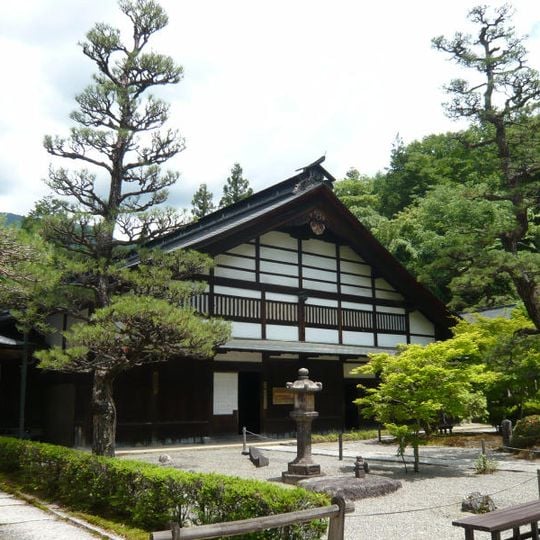
Jōshō-ji, Buddhist temple in Suhara-juku, Japan
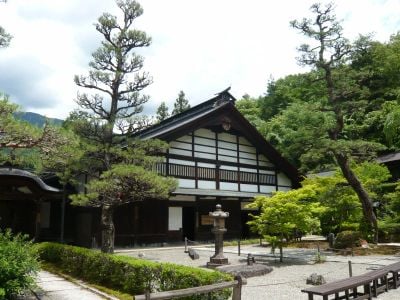
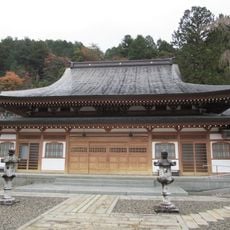
Jōshō-ji is a Buddhist temple in Okuwa, Japan, whose main hall, gate, and priest quarters are all designated as Important Cultural Properties of Japan. The buildings are traditional wooden structures arranged on a classic Japanese temple grounds.
The temple was founded in 1380 by Chikatoyo Minamoto of the Kiso clan. After three floods damaged its original site, it was moved to its present location in 1598.
Jōshō-ji belongs to the Myōshinji branch of Rinzai Zen Buddhism, and the plain style of the buildings reflects that tradition. Inside the temple, visitors can see a memorial tablet honoring Yoshimasa Kiso, a former ruler of the Kiso Valley.
The temple is in Okuwa, a village in the Kiso Valley, and can be reached on foot from the village center. Visiting in April or early May is worth considering, as seven weeping cherry trees on the grounds flower then, followed shortly after by alpine roses.
The temple archives contain what is considered the oldest written mention of soba noodles in Japan, recorded in 1574. This short note makes the site an unexpected starting point in the story of one of Japan's most recognized dishes.
The community of curious travelers
AroundUs brings together thousands of curated places, local tips, and hidden gems, enriched daily by 60,000 contributors worldwide.