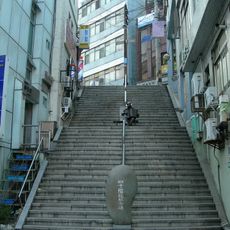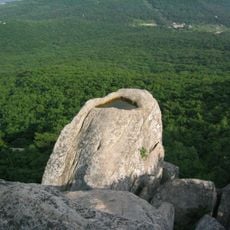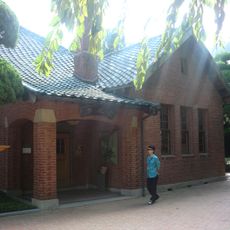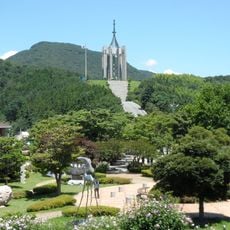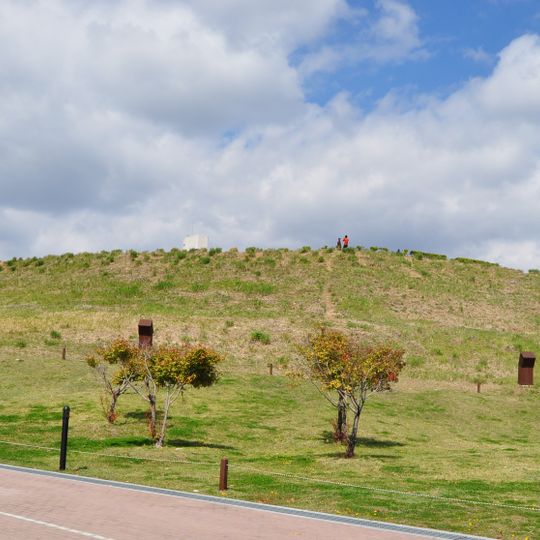
Gimhae Daeseong-dong Tumuli, Archaeological burial site in Gimhae, South Korea.
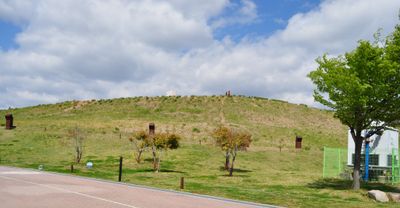
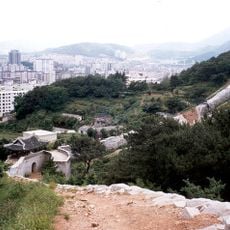
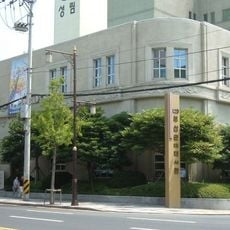
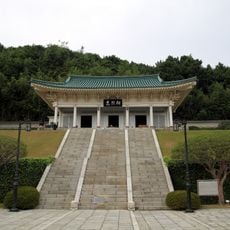
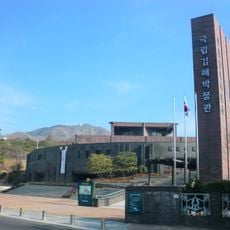
Gimhae Daeseong-dong Tumuli is an archaeological site with around 300 burial mounds scattered across rolling terrain, each containing tomb structures from different historical periods. The site features a museum with artifacts and informational displays that explain the burial customs and practices of the time.
The cemetery began developing between the 1st and 5th centuries CE as the burial ground for rulers of the Geumgwangaya kingdom. The site's use ended when the kingdom fell to Silla in 532 CE.
The burial mounds reveal trade connections with distant regions, as artifacts from China, Manchuria, and Japan have been discovered here. These objects show how people in this ancient kingdom maintained contact with other civilizations across East Asia.
The site provides clear signage and informational stations throughout to help visitors understand its significance. Guided tours are available to give deeper context about how the mounds are organized and what the burial arrangements reveal.
The burial mounds were arranged by social rank, with high-status individuals placed on the hilltops and others positioned on the lower slopes. This spatial organization demonstrates how deeply rank and social hierarchy were embedded in burial practices.
The community of curious travelers
AroundUs brings together thousands of curated places, local tips, and hidden gems, enriched daily by 60,000 contributors worldwide.