Plaine du Khanka, Lowland plain in Primorsky Krai, Russia
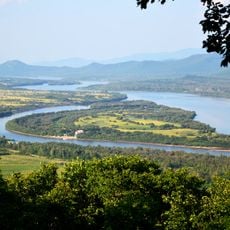
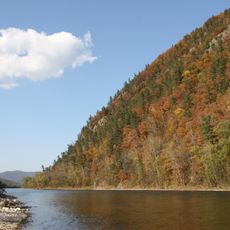
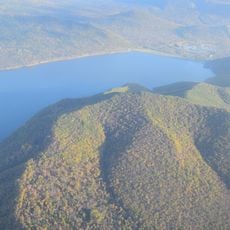
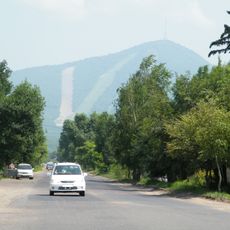
Plaine du Khanka is a lowland plain in southeastern Russia that stretches between mountain ranges, creating an extensive landscape of valleys and river formations. The terrain features sandy-clay deposits covered by layers of alluvial, lake, and lagoon sediments.
The plain developed from ancient sandy-clay deposits dating back to the Paleogene and Neogene periods, which became the foundation of the landscape. Subsequent water movement and erosion gradually shaped the valleys and river systems we see today.
Rice farming has shaped the region for generations, with extensive irrigation systems defining the landscape and daily rhythms of local communities. The fields and their water management remain central to how people live and work across the plain.
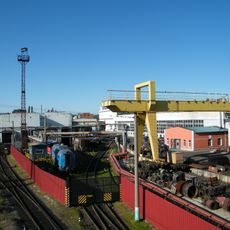
Major transportation routes cross the plain, including the Trans-Siberian Railway and federal highway A370, making it accessible from larger cities. The flat terrain is prone to flooding, especially during spring snowmelt, so plan visits accordingly.
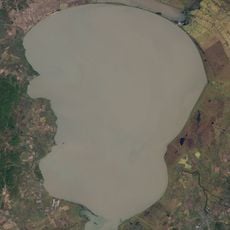
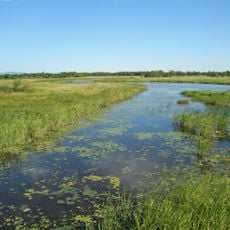
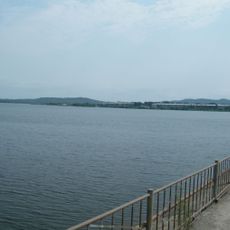
The area contains Lake Khanka, an ecosystem that supports hundreds of bird species and hosts the largest population of Komarov lotus in the Russian Far East. This water body and its shoreline serve as a critical stopover for migratory waterfowl.
The community of curious travelers
AroundUs brings together thousands of curated places, local tips, and hidden gems, enriched daily by 91,994 contributors worldwide.