Grand Portage State Park, State park on Canadian border in Minnesota, United States.
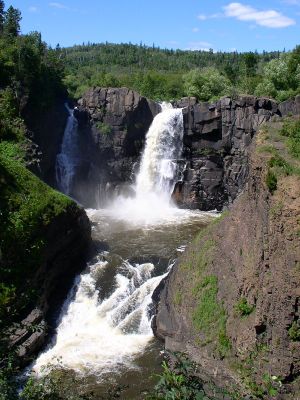
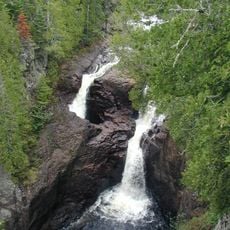
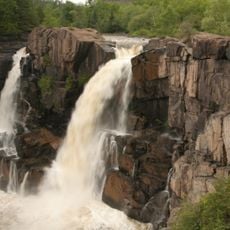
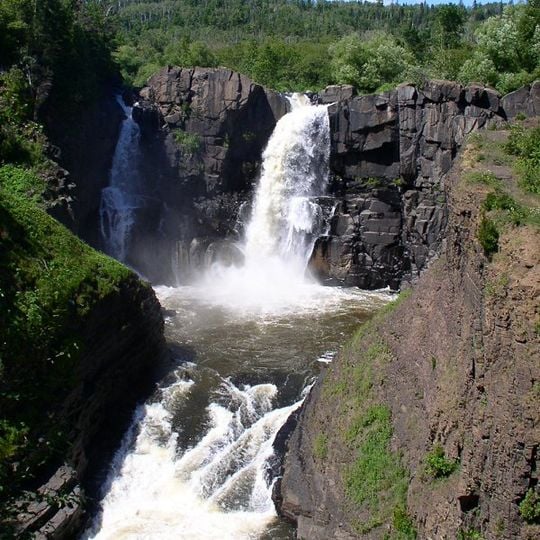
Grand Portage State Park is a protected area in northern Minnesota along the Canadian border, centered on the falls of the Pigeon River. The river drops in stages over a sheer rock face, forming the tallest waterfall in the state.
In the 1700s, fur traders used this stretch of the Pigeon River as a key stop along their routes, needing to carry their canoes overland to bypass the falls. The name "Grand Portage" refers directly to that overland carry, which shaped travel and trade across the entire region.
The land belongs to the Grand Portage Indian Reservation, and signs throughout the park explain the connection between the Anishinaabe people and this river in plain terms. Visitors often leave with a clearer sense of how this place has been lived in and cared for over many generations.
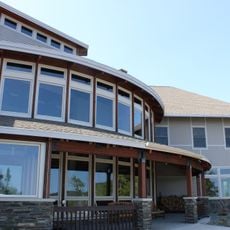
The park is open year-round, and well-marked trails lead to viewpoints at different levels above the falls. A visitor center near the entrance provides orientation and basic facilities before you head out on the trails.
Although the park is managed by the state of Minnesota, the land itself sits within the Grand Portage Indian Reservation, creating a shared stewardship arrangement that is rare in the United States. Other regions have looked to this setup as a possible model for managing land together.
The community of curious travelers
AroundUs brings together thousands of curated places, local tips, and hidden gems, enriched daily by 91,506 contributors worldwide.