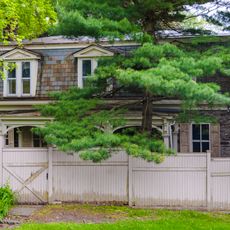
Sixteen Mile District, historic district in New York, United States
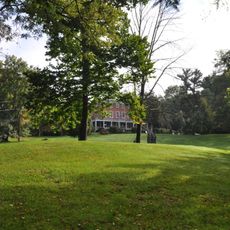
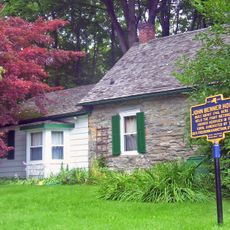
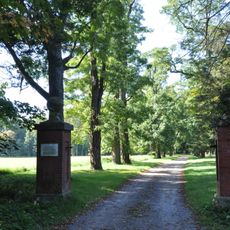
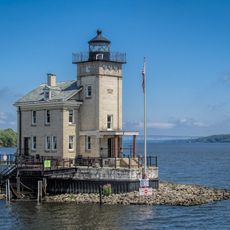
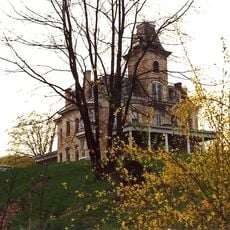
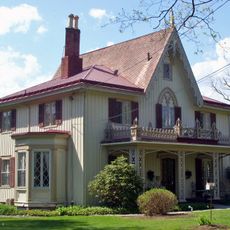
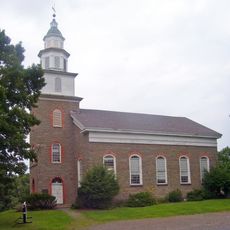
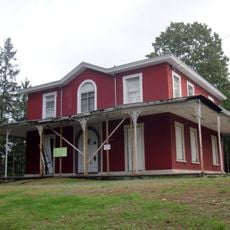
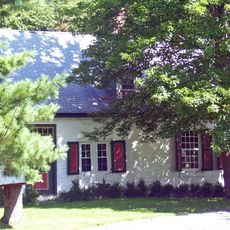
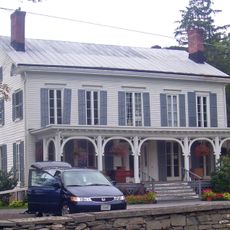
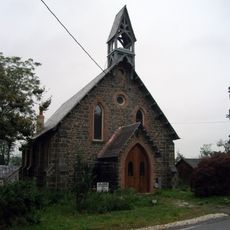
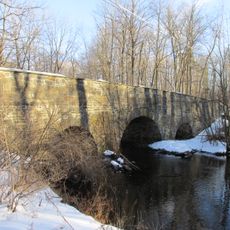
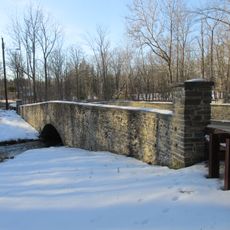
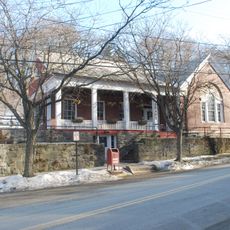
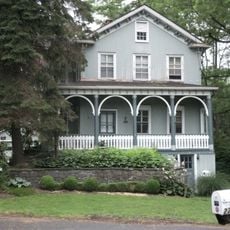
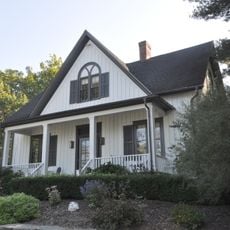
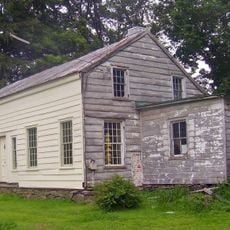
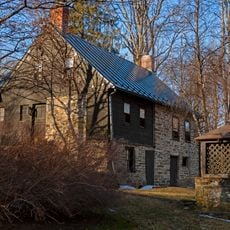
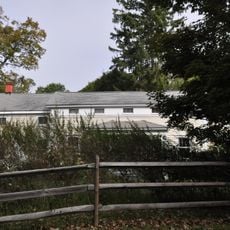
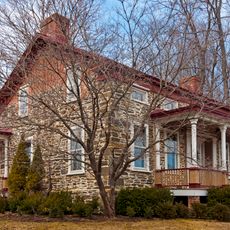
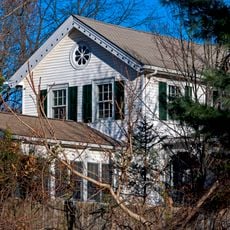
The Sixteen Mile District is a large collection of historic homes and estates along the east side of the Hudson River, extending through four towns. The land contains about 30 notable estates with distinctive features such as tall porticoes, gabled roofs, and structures built from stone or brick, scattered among open lawns and meadows.
The area was chosen by wealthy families beginning in the 18th century as a location for their estates, valued for its peaceful setting and river views. It was officially added to the National Register of Historic Places in 1979, and in 1990 it was merged with the Clermont Estates Historic District to become part of the larger Hudson River Historic District.
The district's name references its distance from an original surveying point, and this geographic designation has persisted to the present day. The estates and homes show how wealthy families positioned their residences along the river and shaped the landscape around them, with open lawns, gardens, and meadows central to their way of life.
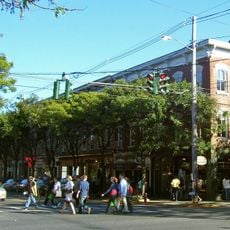
Many of the estates in this area are private property today, so it is important to be respectful when visiting the grounds. The river villages like Rhinecliff, Barrytown, and Tivoli are easily accessible and provide opportunities to explore the architecture and river landscape from public roads.
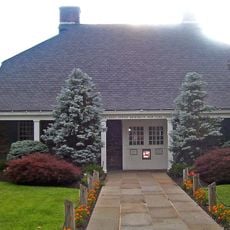
The Ferncliff estate contains a tennis court pavilion called a 'casino' designed by renowned architect Stanford White, which distinguishes itself from typical tennis facilities. Some of the estates are now part of the Bard College campus, showing how historic buildings have been integrated into new purposes.
The community of curious travelers
AroundUs brings together thousands of curated places, local tips, and hidden gems, enriched daily by 90,959 contributors worldwide.