桃生城, Ancient fortress site in Ishinomaki, Japan
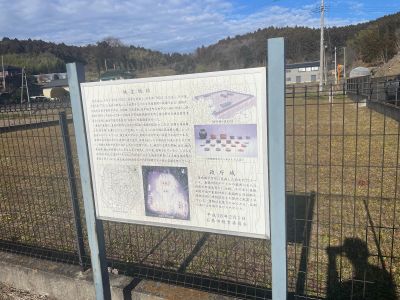
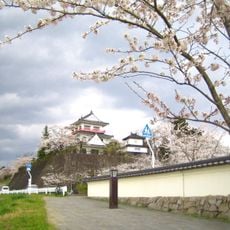
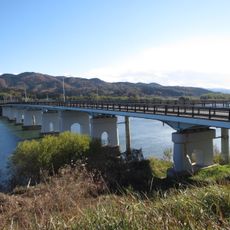
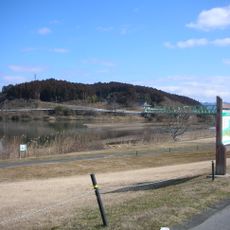
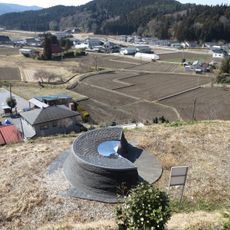
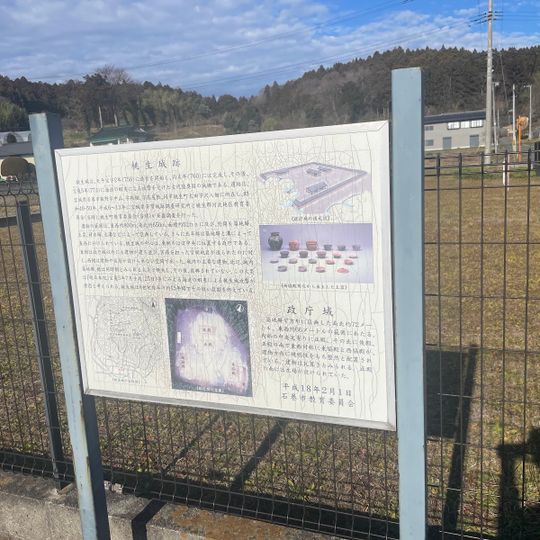
桃生城 (Monou-jō) is a Japanese castle ruin on an isolated hill on the eastern bank of the Kyuu-Kitakami River in Ishinomaki, Miyagi Prefecture. The site consists of earthen walls and rectangular enclosures arranged across the hillside, with the remains of tile-roofed structures still traceable on the ground.
The fortress was built in 757 CE during the Nara period as a military outpost pushing into Emishi territory in the north. Over time it shifted from a military base to an administrative center before eventually falling out of use.
The name Monou comes from the old district name of the area, which itself reflects the long administrative history of this part of Tohoku. Today, the earthen walls and flat terraces are the main things a visitor can read across the hillside, giving a sense of how the space was once divided.
The site is most easily reached by car from the Monou-Toyosato Interchange on the Sanriku Coastal Road. The paths on the hillside are easier to walk in drier months, as the terrain can become slippery after rain.
Roof tiles found on the site bear stamps that link them to production centers in the capital region, suggesting the central government supplied materials directly rather than sourcing them locally. This points to how much the state invested in this remote outpost despite its distance from the center.
The community of curious travelers
AroundUs brings together thousands of curated places, local tips, and hidden gems, enriched daily by 91,553 contributors worldwide.