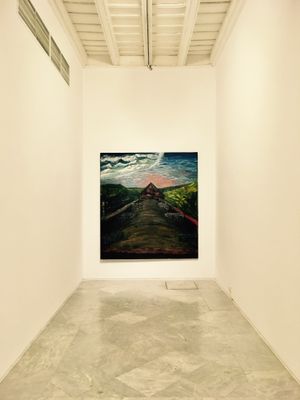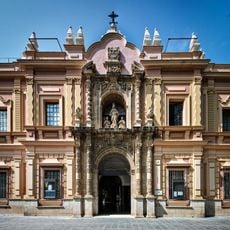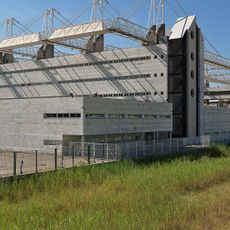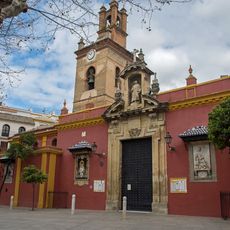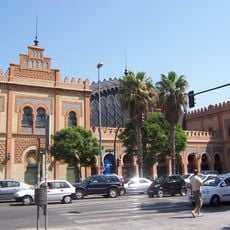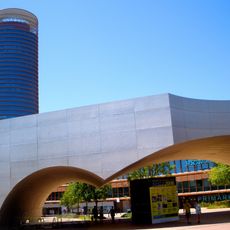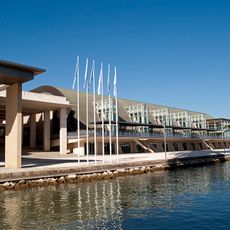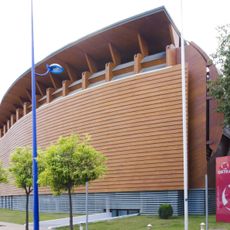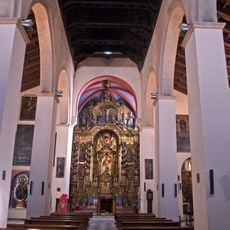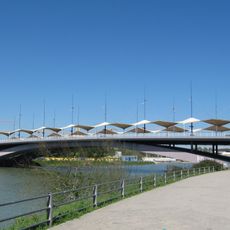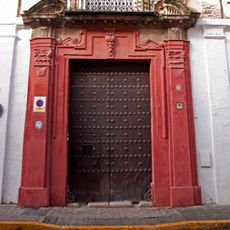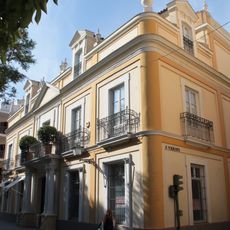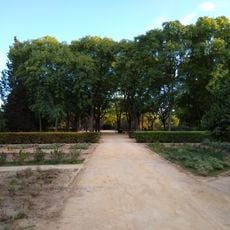
Centro Andaluz de Arte Contemporáneo, Contemporary art museum in Cartuja Monastery, Seville, Spain.
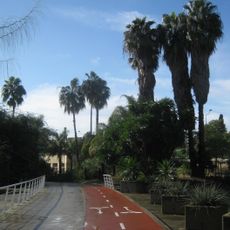
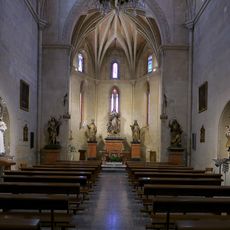
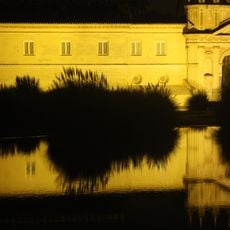
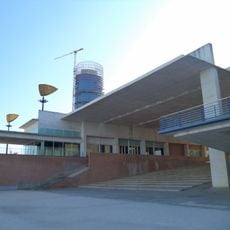
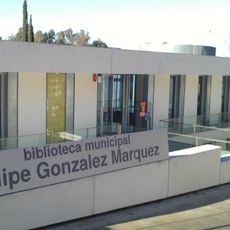
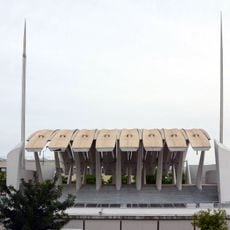
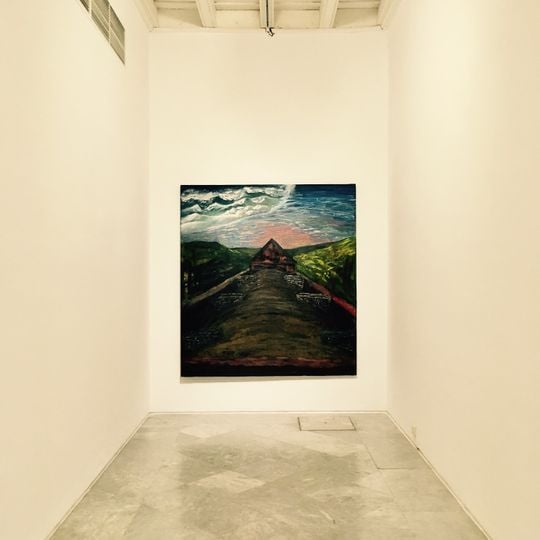
The Centro Andaluz de Arte Contemporáneo is a contemporary art museum occupying a former monastery in Seville with multiple exhibition halls, gardens, and dedicated spaces for artistic presentations. The complex spreads across different levels and displays both permanent collections and rotating exhibitions of contemporary art.
The building began as a Franciscan hermitage in 1399 and later became a Carthusian monastery that held Christopher Columbus's remains for about 30 years. It then served as military barracks and a ceramics factory under Charles Pickman before transforming into an art institution.
The name references contemporary art, which is displayed throughout the historic monastery rooms that once served spiritual purposes. Visitors notice how modern artistic expression contrasts with the religious architecture, creating an interesting conversation between past and present uses.
The museum operates on different schedules throughout the week, so it is best to check current hours before your visit. Admission costs less for European Union citizens, and the grounds including the gardens are easy to navigate on foot.
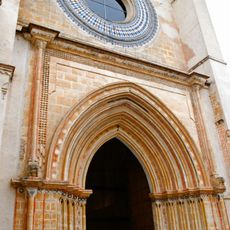
The structure went through an unusual transformation from religious purpose to military use to industrial factory, with the ceramics works under Pickman becoming well-known in the region. This variety of uses left different architectural layers that visitors can still see in the buildings today.
The community of curious travelers
AroundUs brings together thousands of curated places, local tips, and hidden gems, enriched daily by 60,000 contributors worldwide.