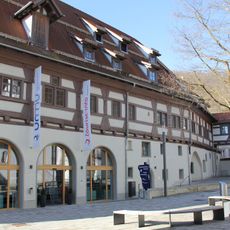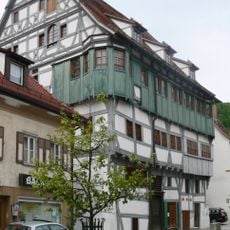
Blautopfhaus Schönhofer am Blautopf
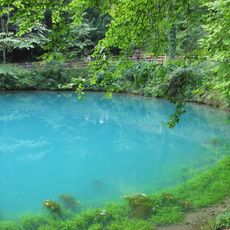
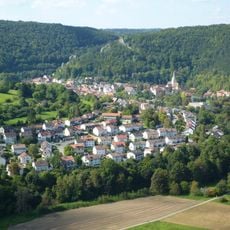
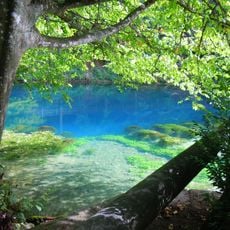
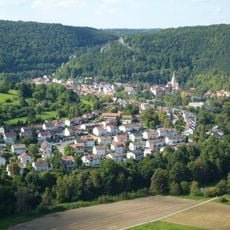
Blautopf is a large natural spring in the town of Blaubeuren in southwest Germany, featuring crystal-clear blue-green water colored by tiny limestone particles that scatter sunlight. The spring feeds the River Blau and connects to an underground cave network that extends beneath the surface.
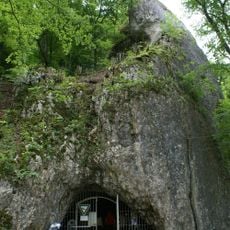
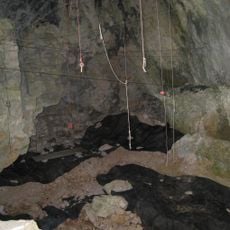
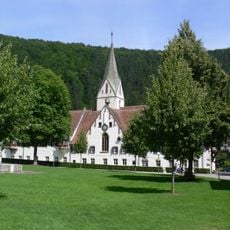
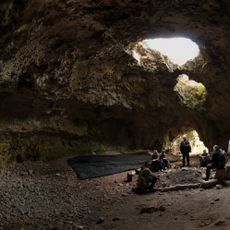
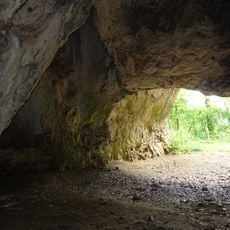
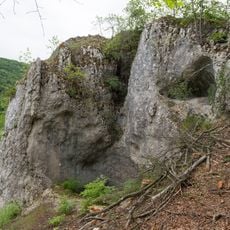
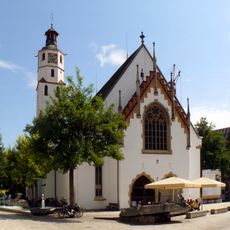
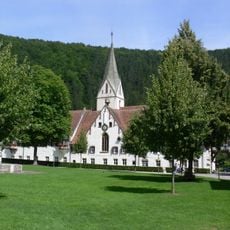
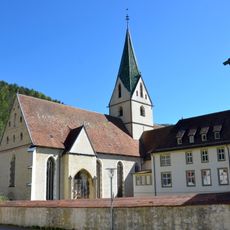
The Blautopf region has deep medieval roots, shaped by Blaubeuren Abbey founded around 1085 by Benedictine monks who built the monastery and its distinctive bathhouse in 1510. The surrounding caves are significant Paleolithic sites where early humans, including Neanderthals, lived thousands of years ago.
The name Blautopf means 'blue pot' in German, a reference to the water's distinctive color that has shaped local identity for centuries. The spring is deeply connected to regional folklore and legends that visitors encounter through local stories and the peaceful atmosphere of the site.
Blautopf is free and open 24 hours with no gates or entrance fees, making it accessible at any time. A short walk around the spring takes about 10 minutes on easy paths, while hiking trails lead into the surrounding countryside for those wanting longer explorations.
Blautopf discharges an average of 2300 liters per second, making it one of Germany's largest springs of its kind, and can exceed 32000 liters per second after heavy rainfall. Nearby stands a historic hammermill from the early 1800s that now serves as a museum, displaying how tools were crafted in the past.
The community of curious travelers
AroundUs brings together thousands of curated places, local tips, and hidden gems, enriched daily by 90,789 contributors worldwide.