Hadrian's Wall, Roman defensive wall museum in Northumberland, England
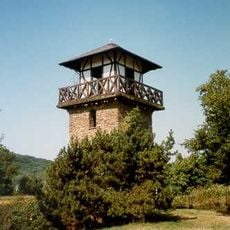
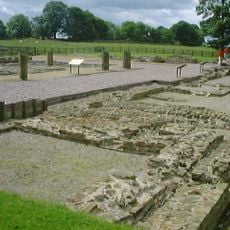
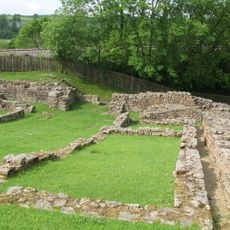
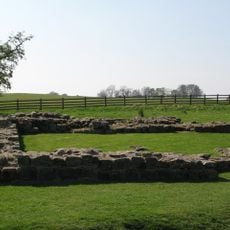
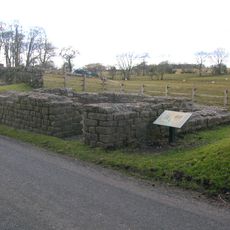
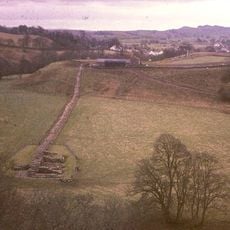
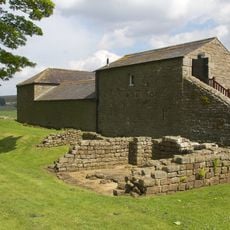
Hadrian's Wall is a Roman frontier fortification built across northern England, running from the North Sea coast to the Irish Sea coast. Along its line, small forts called milecastles, watchtowers, and larger garrison forts are still visible at regular intervals.
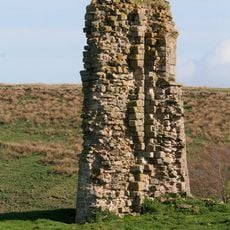
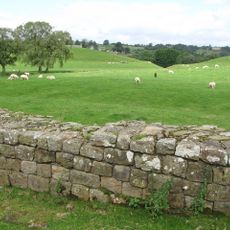
Emperor Hadrian ordered the wall built around 122 CE to mark the northern edge of Roman Britain. After Roman forces withdrew in the early 5th century, large sections fell into disrepair and their stones were reused in later buildings across the region.
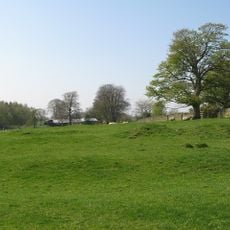
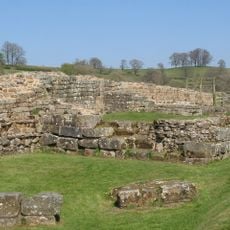
The wall once separated two very different worlds: the Romanized south and the tribal lands to the north. At several surviving sections, visitors can still see the outlines of small forts and watchtowers that made this divide a physical reality.
Several visitor centers are spread along the route, and not all sections of the wall are equally well preserved or easy to reach. Sturdy footwear is a good idea because the ground along many sections is uneven, particularly after rain.
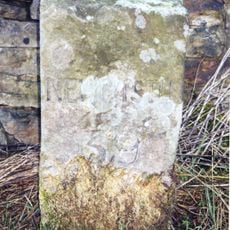
At several points along the wall, stone inscriptions carved by individual legions mark the sections they were responsible for building. These so-called centurial stones are one of the few direct records of how the construction was organized among the troops.
The community of curious travelers
AroundUs brings together thousands of curated places, local tips, and hidden gems, enriched daily by 91,977 contributors worldwide.