Muralla Àrab, Medieval ruins in Ciutat Vella, Spain
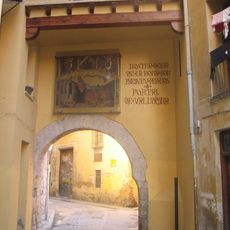
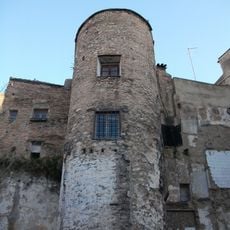
The Arab Wall of Valencia consists of surviving sections of a medieval defensive structure with semicircular towers encircling the historic city center. The construction uses stone and cement techniques with gates positioned at key points to manage city access.
The wall was built during the 11th century when Valencia became the capital of an important regional kingdom. Its seven gates and defensive design protected the city throughout the medieval period.
The wall's construction reflects Islamic building methods that shaped how people moved through the medieval city along key commercial and religious pathways. These remains are reminders of Valencia's multicultural past visible in the historic quarter today.
At Plaza del Tossal, visitors can see preserved wall sections and explore an underground museum about Islamic Valencia. The site is easily accessible and located in the heart of the historic quarter.
One of the seven gates, Bab al-Qantara, led to a bridge crossing a river that Muslims called Wadi al-Abiad. This original name reveals the layers of history embedded in Valencia's urban landscape.
The community of curious travelers
AroundUs brings together thousands of curated places, local tips, and hidden gems, enriched daily by 60,000 contributors worldwide.